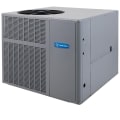
When it comes to maintaining a comfortable indoor environment, the importance of air conditioner sizing cannot be overstated. An air conditioning unit that is properly sized for your space not only enhances comfort but also significantly impacts energy efficiency and overall performance. Many homeowners underestimate how critical it is to select the right size unit, often leading to costly mistakes that can affect both their wallets and their well-being.Choosing an air conditioning unit that is too small will struggle to cool your home effectively, resulting in increased energy consumption and higher utility bills. Conversely, an oversized unit may cool the space too quickly without adequately removing humidity, leading to a clammy atmosphere that can foster mold growth and other air quality issues.
This delicate balance underscores the need for careful consideration when determining the appropriate size for your air conditioning system.Moreover, the HVAC sizing impact extends beyond mere comfort; it also influences the longevity of your system. An improperly sized air conditioner can lead to frequent cycling on and off, which places undue stress on its components. Over time, this can result in premature wear and tear, ultimately shortening the lifespan of your investment. Understanding these dynamics is essential for homeowners who wish to optimize their cooling systems and ensure they operate efficiently for years to come.
How Air Conditioning Units Are Sized
Understanding how air conditioning units are sized is essential for homeowners looking to achieve optimal comfort and efficiency in their living spaces.The cooling capacity of an air conditioning unit is primarily measured in BTUs (British Thermal Units) and tons, which are critical metrics that determine how effectively a unit can cool a given area.
BTUs Explained
A BTU is defined as the amount of heat required to raise the temperature of one pound of water by one degree Fahrenheit. In the context of air conditioning, BTUs measure the cooling power of a unit. For instance, a unit with a capacity of 12,000 BTUs can remove 12,000 BTUs of heat from a space in one hour. This measurement is crucial because it directly correlates to the size and efficiency of the air conditioning system.
Tons and Their Significance
The term ton in air conditioning refers to the cooling capacity equivalent to 12,000 BTUs per hour.
Therefore, a 1-ton air conditioning unit can cool approximately 12,000 BTUs in an hour. This measurement is not arbitrary; it originates from the amount of heat required to melt one ton of ice in a 24-hour period. Understanding this conversion helps homeowners grasp how much cooling power they need based on their specific requirements.
How to Size an Air Conditioner
When sizing an air conditioning unit, several factors must be considered beyond just square footage. While a general guideline suggests that you need about 1 ton of cooling capacity for every 1,000 square feet, this rule can vary significantly based on:
- Insulation Levels: Well-insulated homes retain cool air more effectively, potentially allowing for smaller units.
- Climate: Homes in hotter climates may require more cooling capacity than those in milder areas.
- Layout: Open floor plans may distribute cool air more evenly than segmented spaces with many walls.
- Windows and Doors: The number and quality of windows and doors can affect heat gain and loss.
This assessment will take into account all relevant factors to ensure that your air conditioning system operates efficiently and effectively.
Consequences of Improperly Sized Air Conditioning Units
When it comes to air conditioning, the size of your unit plays a pivotal role in its overall performance and efficiency. An improperly sized air conditioner can lead to a myriad of issues that not only affect comfort but also incur additional costs over time.Effects of an Oversized Air Conditioner
While it may seem logical to assume that a larger air conditioning unit would provide better cooling, this is often a misconception. An oversized air conditioner can lead to several significant problems:- Frequent Cycling: An oversized unit cools the space too quickly, causing it to cycle on and off more frequently. This rapid cycling can lead to increased wear and tear on the system, ultimately shortening its lifespan.
- Inadequate Humidity Control: Air conditioners not only cool the air but also remove humidity.
An oversized unit may cool the air too quickly without allowing enough time for moisture removal, resulting in a damp and uncomfortable environment.
- Higher Energy Bills: The frequent cycling and inefficiency of an oversized unit can lead to increased energy consumption, driving up utility bills.
Effects of an Undersized Air Conditioner
On the other hand, an undersized air conditioning unit presents its own set of challenges:- Inadequate Cooling: An undersized unit struggles to maintain the desired temperature, leading to discomfort during hot weather. Homeowners may find themselves constantly adjusting the thermostat in an attempt to achieve relief.
- Increased Wear and Tear: To compensate for its inability to cool effectively, an undersized unit runs continuously, which can lead to overheating and mechanical failures.
- Poor Air Quality: A unit that is constantly running may not effectively filter the air, leading to poor indoor air quality and potential health issues.
Determining the Right Size for Your Space
Determining the right size for your air conditioning unit is essential for achieving optimal comfort and efficiency in your home.An improperly sized unit can lead to a range of issues, from inadequate cooling to increased energy costs. Here are some effective methods to help you calculate the appropriate size for your air conditioner.
Load Calculation Methods
The most accurate way to determine the size of your air conditioning unit is through a load calculation, which takes into account various factors that influence cooling needs. This process is typically performed by a qualified HVAC technician and involves the following steps:- Assessing Square Footage: Measure the total square footage of the area you wish to cool. This includes all rooms and spaces that will be affected by the air conditioning.
- Evaluating Insulation: The level of insulation in your home plays a significant role in determining how much cooling is required.
Well-insulated homes retain cool air more effectively, potentially allowing for a smaller unit.
- Considering Windows and Doors: The number, size, and type of windows and doors can impact heat gain. For instance, large windows that receive direct sunlight may require additional cooling capacity.
- Accounting for Local Climate: Your geographical location affects temperature extremes and humidity levels, which should be factored into the sizing calculation.
HVAC Sizing Guidelines
If you prefer a more straightforward approach or need a quick estimate, there are general guidelines available based on square footage:- 1 Ton per 1,000 Square Feet: A common rule of thumb is to allocate 1 ton of cooling capacity for every 1,000 square feet of living space. For example, a 2,000 square foot home would typically require a 2-ton air conditioning unit.
- BTU Calculation: Another method involves calculating the required BTUs (British Thermal Units). Multiply the square footage by 20 to estimate the BTUs needed.
For instance, a 2,500 square foot area would need approximately 50,000 BTUs (2,500 x 20 = 50,000).
Factors Influencing Air Conditioner Sizing Beyond Square Footage
When it comes to determining the appropriate size for your air conditioning unit, square footage is just the tip of the iceberg. Several other critical factors can significantly influence the cooling requirements of your space.Understanding these elements can help ensure that you select an air conditioner that operates efficiently and effectively.
Insulation Levels
The quality and amount of insulation in your home play a pivotal role in how much cooling is required. Well-insulated homes retain cool air more effectively, reducing the workload on your air conditioning unit. Conversely, homes with poor insulation allow cool air to escape and warm air to enter, necessitating a larger unit to maintain comfortable temperatures. When assessing insulation, consider:- Attic Insulation: A well-insulated attic can prevent heat from entering your living spaces.
- Wall Insulation: Insulated walls help maintain indoor temperatures by minimizing heat transfer.
- Windows and Doors: Double-glazed or energy-efficient windows can significantly reduce heat gain.
Layout and Design of Your Space
The layout of your home also affects how air circulates and how effectively it can be cooled.Open floor plans may allow for better airflow, while closed-off rooms might require additional cooling considerations. Key aspects to evaluate include:
- Room Size and Shape: Irregularly shaped rooms may require specialized ductwork or additional units.
- Ceiling Height: Higher ceilings can lead to increased volume that needs cooling, impacting sizing.
- Obstructions: Furniture and walls can impede airflow, necessitating adjustments in unit size.
Climate Considerations
Your local climate is another crucial factor in determining the right size for your air conditioning unit. Areas with extreme heat or humidity may require more powerful units to maintain comfort levels. Consider the following climate-related factors:- Average Temperature: Hotter climates typically demand larger units for effective cooling.
- Humidity Levels: High humidity can make a space feel warmer, requiring additional cooling capacity.
- Seasonal Variations: Regions with significant temperature fluctuations may need versatile systems that can handle both heating and cooling efficiently.
By taking these factors into account, you can ensure that your air conditioning system operates at peak efficiency, providing comfort without unnecessary energy costs.
Real-Life Examples: The Importance of Proper Sizing in Action
To truly understand the significance of properly sizing an air conditioning unit, let’s delve into some real-life examples that highlight the consequences of sizing mistakes. These case studies illustrate how improper sizing can lead to inefficiencies, increased costs, and discomfort in homes.Case Study 1: The Overzealous Homeowner
In a suburban neighborhood, a homeowner decided to upgrade their air conditioning system during a particularly hot summer. Believing that a larger unit would provide better cooling, they opted for a 5-ton air conditioner for their 2,000 square foot home, which typically requires only a 3-ton unit. Initially, the homeowner was pleased with the rapid cooling; however, within weeks, they noticed several issues:- Frequent Cycling: The oversized unit cycled on and off frequently, leading to increased wear and tear.
- Humidity Problems: The air conditioner struggled to remove humidity effectively, resulting in a damp and uncomfortable living environment.
- Higher Energy Bills: The homeowner experienced a significant spike in energy costs due to the inefficient operation of the oversized unit.
Case Study 2: The Underestimated Space
In another instance, a family moved into an older home with inadequate insulation and large windows.They installed a 2-ton air conditioning unit based on the general guideline of 1 ton per 1,000 square feet. However, due to the home's unique characteristics—such as high ceilings and poor insulation—the unit was insufficient for their cooling needs. As a result:
- Inconsistent Temperatures: Different rooms experienced varying temperatures, with some areas remaining uncomfortably warm.
- Increased Wear on the Unit: The air conditioner ran continuously in an attempt to cool the space, leading to frequent breakdowns.
- Health Concerns: The lack of proper cooling contributed to discomfort and health issues related to heat exposure.
Case Study 3: The Professional Assessment
A third case involved a commercial building where the management team decided to replace their aging HVAC system. They consulted with an HVAC professional who conducted a thorough load calculation.This assessment took into account factors such as:
- The building's orientation and window placement
- The number of occupants and their activities
- The local climate conditions
- Improved Comfort: Consistent temperatures throughout the space enhanced employee productivity.
- Lower Energy Costs: The new system operated more efficiently, resulting in reduced energy bills.
- Extended Equipment Lifespan: Proper sizing minimized wear on the system, leading to fewer repairs and longer service life.
Consulting with HVAC Professionals: When and Why It Matters
When it comes to ensuring that your air conditioning system operates efficiently and effectively, consulting with HVAC professionals is not just beneficial; it is often essential. Many homeowners underestimate the complexities involved in selecting the right air conditioning unit for their specific needs. This is where expert guidance becomes invaluable.Understanding the Benefits of Hiring HVAC Professionals
- Expert Knowledge: HVAC professionals possess extensive training and experience in the field.
They understand the nuances of different air conditioning systems, including their capacities, efficiencies, and installation requirements.
- Accurate Load Calculations: One of the primary services offered by HVAC experts is performing precise load calculations. This process takes into account various factors such as square footage, insulation quality, window placement, and local climate conditions to determine the optimal size for your air conditioner.
- Installation Expertise: Proper installation is crucial for the longevity and efficiency of your air conditioning unit. Professionals ensure that the unit is installed according to manufacturer specifications and local codes, minimizing the risk of future issues.
- Long-Term Savings: While hiring a professional may seem like an added expense, it can save you money in the long run. An appropriately sized and installed air conditioning unit will operate more efficiently, leading to lower energy bills and reduced maintenance costs.
When Should Homeowners Seek Expert Help?
Homeowners should consider consulting with HVAC professionals at several key points:
- Before Purchasing a New Unit: If you are in the market for a new air conditioner, it’s wise to consult with an expert who can guide you through the selection process based on your home’s specific needs.
- During Renovations: If you are renovating or expanding your home, it’s essential to reassess your cooling needs.
An HVAC professional can help you determine if your current system will suffice or if an upgrade is necessary.
- If You Experience Performance Issues: If your existing air conditioning unit is not performing as expected—whether it’s not cooling adequately or running inefficiently—an expert can diagnose the problem and recommend solutions.
What to Expect from Professional Services
When you engage an HVAC professional for assistance with your air conditioning needs, you can expect a comprehensive service that includes:
- A thorough assessment of your home’s cooling requirements.
- A detailed explanation of different air conditioning options available to you.
- A clear outline of costs associated with purchasing and installing a new unit.
- Ongoing support and maintenance recommendations to keep your system running smoothly.
Conclusion: Ensuring Comfort Through Proper Air Conditioner Sizing
In summary, the significance of properly sizing your air conditioner cannot be overstated. A well-sized unit not only enhances the comfort of your living space but also plays a crucial role in the overall efficiency and longevity of the system. Throughout this article, we have explored various aspects of air conditioning unit sizing, highlighting the potential pitfalls of both undersized and oversized units.To recap, here are some key takeaways regarding the importance of air conditioner sizing:- Efficiency: An appropriately sized air conditioning unit operates more efficiently, leading to lower energy bills and reduced environmental impact.
Oversized units tend to cycle on and off frequently, wasting energy and causing unnecessary wear.
- Comfort: Proper sizing ensures that your home maintains a consistent temperature and humidity level. An undersized unit struggles to cool the space adequately, while an oversized unit may lead to uneven cooling and discomfort.
- Lifespan: Correctly sized systems experience less strain, which can significantly extend their lifespan. This means fewer repairs and replacements, ultimately saving you money in the long run.
- Humidity Control: A well-sized air conditioner effectively manages humidity levels, preventing issues such as mold growth and musty odors that can arise from inadequate moisture removal.
Consulting with a qualified HVAC professional can provide invaluable insights tailored to your unique situation.In conclusion, investing in a properly sized air conditioner is not just about immediate comfort; it is a long-term investment in efficiency, health, and peace of mind. By prioritizing proper sizing, you ensure that your cooling system will serve you well for years to come, providing a comfortable environment for you and your family.