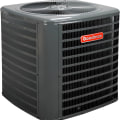
When it comes to maintaining a comfortable living environment in your home, understanding air conditioner sizing is crucial. The right size air conditioning unit not only ensures optimal cooling but also plays a significant role in energy efficiency and cost savings. An improperly sized unit can lead to a range of issues, from inadequate cooling to increased energy bills, making it essential to grasp the fundamentals of how to size an air conditioner effectively.Air conditioning units are typically measured in BTUs (British Thermal Units) or tons, with one ton equating to 12,000 BTUs. For a home measuring around 2000 square feet, a common recommendation is a unit with a capacity of approximately 36,000 BTUs or 3 tons.
However, this is merely a starting point; various factors influence the actual size needed for your specific situation. These include the local climate, the layout of your home, insulation quality, and even the number of windows and doors that allow heat transfer.Moreover, understanding air conditioning units involves recognizing that different types of systems—such as central air systems versus window units—have distinct sizing requirements. For instance, while central air systems can efficiently cool larger spaces, window units may require multiple installations to achieve similar results in a 2000 sq ft house. Each room's unique characteristics must be considered, including sunlight exposure and occupancy levels, which can significantly affect cooling needs.In summary, grasping the concept of air conditioner sizing is vital for ensuring comfort and efficiency in your home.
By taking into account various factors and understanding the implications of choosing the right size unit, you can make informed decisions that enhance your living space while keeping energy costs manageable.
Why Size Matters: The Impact of Choosing the Right Air Conditioner
Choosing the right size air conditioner is crucial for maintaining a comfortable living environment in your home. An improperly sized unit can lead to a range of issues that not only affect your comfort but also your energy bills and the longevity of the system itself.Importance of Air Conditioner Size
The size of an air conditioner is measured in BTUs (British Thermal Units), which indicates its cooling capacity. Selecting an air conditioner that is appropriately sized for your space ensures that it can effectively manage the heat load of your home. If the unit is too small, it will struggle to cool the space, leading to:
- Inadequate Cooling: A unit that is undersized will run continuously without reaching the desired temperature, leaving you uncomfortable during hot weather.
- Increased Energy Costs: An undersized air conditioner consumes more energy as it works harder to cool your home, resulting in higher utility bills.
- Shortened Lifespan: Constant operation can lead to premature wear and tear on the system, ultimately reducing its lifespan.
Effects of an Oversized Air Conditioner
On the other hand, selecting an oversized air conditioning unit can be just as problematic.
While it may seem beneficial to have extra cooling power, oversized units can create their own set of issues:
- Frequent Cycling: An oversized unit cools the space too quickly, causing it to cycle on and off frequently. This not only wastes energy but also puts unnecessary strain on the system.
- Humidity Issues: Air conditioners also dehumidify the air as they cool. An oversized unit may cool the air too quickly without removing enough moisture, leading to a clammy indoor environment.
- Higher Initial Costs: Larger units typically come with a higher price tag, both in terms of purchase and installation costs.
Conclusion
The impact of choosing the right size air conditioner cannot be overstated. Whether you opt for a unit that is too small or one that is too large, both scenarios can lead to discomfort, increased energy costs, and potential damage to your system.
To ensure optimal performance and efficiency, it’s advisable to consult with a professional HVAC technician who can assess your specific needs and recommend the best size for your home.
Calculating the Right Size for Your 2000 Sq Ft House
Determining the right size air conditioner for your 2000 sq ft house involves a systematic approach to calculating the necessary BTUs (British Thermal Units). This process ensures that your air conditioning system operates efficiently, providing optimal comfort without incurring excessive energy costs.To begin, a general rule of thumb is that you need approximately 20 BTUs per square foot of living space. For a 2000 sq ft home, this would equate to:- 2000 sq ft x 20 BTUs = 40,000 BTUs
- Climate: If you live in a particularly hot or humid area, you may need to increase your BTU requirement.
For example, in hotter climates, you might add an additional 10% to your total.
- Insulation: Well-insulated homes retain cool air more effectively. If your home has poor insulation, consider increasing the BTU capacity by 10-20%.
- Sunlight Exposure: Homes with large windows or those that receive significant sunlight will require more cooling power. You can add about 10% for each room that gets direct sunlight.
- Occupancy: More people generate more heat. For each additional person beyond two in a room, add about 600 BTUs.
- Appliances and Electronics: If you have heat-generating appliances or electronics in your home, factor in an additional 1,000 BTUs for each major appliance.
For instance, if your home is in a hot climate with poor insulation and receives a lot of sunlight, your calculation might look like this:
- Base requirement: 40,000 BTUs
- Add for climate (10%): 4,000 BTUs
- Add for insulation (15%): 6,000 BTUs
- Add for sunlight exposure (2 rooms): 8,000 BTUs
- Total: 40,000 + 4,000 + 6,000 + 8,000 = 58,000 BTUs
Factors Influencing Air Conditioner Size Selection
When selecting the appropriate size for an air conditioner, several critical factors come into play. Understanding these elements can significantly enhance your ability to choose a unit that meets your cooling needs efficiently.Climate Zone
The climate in which you reside is one of the most significant factors influencing the size of your air conditioning unit. Different regions experience varying temperatures and humidity levels, which directly affect cooling requirements.For instance:
- Hot and Humid Climates: Areas with high humidity and temperatures may require a larger unit to effectively remove moisture from the air while cooling.
- Dry Climates: In contrast, regions with dry heat may not need as much cooling capacity since humidity levels are lower.
- Seasonal Variations: If you live in a place with extreme seasonal changes, consider a system that can handle both heating and cooling efficiently.
Home Layout and Design
The layout of your home plays a crucial role in determining the size of the air conditioner needed. Factors to consider include:- Open Floor Plans: Homes with open layouts may require less cooling capacity since air can circulate freely between rooms.
- Room Sizes: Larger rooms will need more BTUs to cool effectively. Measure each room's square footage to ensure accurate calculations.
- Ceiling Height: Higher ceilings can lead to increased volume in a room, necessitating a more powerful unit to maintain comfortable temperatures.
Insulation Quality
The quality of insulation in your home significantly impacts how much cooling is required. Well-insulated homes retain cool air more effectively, allowing for smaller units.Consider the following:
- Type of Insulation:Type of Insulation: Different materials have varying R-values, which measure thermal resistance. Higher R-values indicate better insulation.
- Windows and Doors: The number and quality of windows and doors can lead to heat gain or loss. Double-glazed windows are more efficient than single-pane options.
Window Placement and Sun Exposure
The placement of windows and their exposure to sunlight can also affect your air conditioning needs. Rooms that receive direct sunlight will heat up faster, requiring more cooling power.Consider:
- Orientation: South-facing windows typically receive more sunlight throughout the day compared to north-facing ones.
- Shading Options: Trees, awnings, or shades can help reduce heat gain from sunlight, potentially allowing for a smaller unit.
Types of Air Conditioners: Which One is Right for You?
When it comes to selecting the right air conditioning system for your 2000 sq ft house, understanding the different types of air conditioners available is crucial. Each type has its own set of advantages and disadvantages, making it essential to choose one that aligns with your specific needs and preferences.Central Air Conditioning Systems
Central air conditioning systems are often the go-to choice for larger homes, including those around 2000 sq ft. These systems use a network of ducts to distribute cool air throughout the house, providing consistent temperature control in every room.- Advantages:
- Even Cooling: Central AC units provide uniform cooling across all rooms, eliminating hot spots.
- Energy Efficiency: Many modern central systems are designed to be energy-efficient, which can lead to lower utility bills.
- Convenience: Central air conditioning can be controlled via a thermostat, allowing for easy adjustments.
- Disadvantages:
- Installation Cost: The initial installation can be expensive, especially if ductwork needs to be added or modified.
- Maintenance: Regular maintenance is required to keep the system running efficiently, which can add to long-term costs.
Window Air Conditioners
Window air conditioners are a popular choice for cooling individual rooms. They are compact units that fit into a window frame and are ideal for homes that may not have ductwork.- Advantages:
- Cost-Effective: Window units are generally less expensive to purchase and install compared to central systems.
- Easy Installation: Most window AC units can be installed without professional help, making them accessible for DIY enthusiasts.
- Disadvantages:
- Limited Coverage: A single window unit typically cools only one room effectively, requiring multiple units for larger spaces.
- Aesthetic Impact: Window units can obstruct views and may not blend well with your home’s exterior design.
Portable Air Conditioners
Portable air conditioners offer flexibility and convenience, as they can be moved from room to room as needed.These units typically vent through a window using an exhaust hose.
- Advantages:
- No Permanent Installation: Portable units do not require permanent installation, making them easy to set up and relocate.
- Versatile Cooling: They can cool various rooms depending on where you need them most at any given time.
- Disadvantages:
- Noisy Operation: Many portable units can be louder than their window or central counterparts, which may be disruptive in quiet environments.
- Lesser Efficiency: Generally, portable air conditioners are less energy-efficient than central or window systems, leading to higher energy costs over time.
Energy Efficiency Ratings: What You Need to Know
When selecting an air conditioner, understanding energy efficiency ratings is crucial for making an informed decision. These ratings not only indicate how effectively an air conditioning unit operates but also help you gauge its long-term cost implications. Two primary metrics to consider are the Seasonal Energy Efficiency Ratio (SEER) and the Energy Efficiency Ratio (EER) .Understanding SEER Ratings
The SEER rating measures the cooling output of an air conditioner over a typical cooling season divided by the total energy consumed in watt-hours. Essentially, it reflects the unit's efficiency during the cooling season, which can vary based on temperature fluctuations.A higher SEER rating indicates a more efficient unit, which can lead to significant savings on your energy bills.
- Minimum SEER Requirements: In the United States, the Department of Energy mandates a minimum SEER rating of 14 for new central air conditioning systems. However, many modern units exceed this threshold, with ratings ranging from 15 to 25 or more.
- Cost vs. Efficiency: While units with higher SEER ratings may come with a higher upfront cost, they often pay for themselves over time through reduced energy bills.
EER Ratings Explained
The EER rating is another important measure that evaluates an air conditioner's efficiency at a specific temperature—usually 95°F (35°C). It is calculated by dividing the cooling capacity (in BTUs) by the power input (in watts).Like SEER, a higher EER indicates better energy efficiency.
- Ideal Conditions: EER ratings are particularly useful for assessing performance during peak heat conditions, making them valuable for homeowners in hotter climates.
- Comparative Analysis: When comparing units, consider both SEER and EER ratings to get a comprehensive view of efficiency across different operating conditions.
Common Mistakes When Choosing an Air Conditioner Size
Choosing the right size air conditioner is crucial for maintaining a comfortable indoor environment, yet many homeowners make common mistakes that can lead to inefficient cooling and increased energy costs. Understanding these pitfalls can help you make a more informed decision.- Ignoring the BTU Requirements: One of the most frequent errors is neglecting to calculate the appropriate BTUs needed for your space.
While a general rule suggests that a 2000 sq ft house requires around 36,000 BTUs, this can vary significantly based on factors such as ceiling height, insulation quality, and local climate. Always perform a detailed calculation or consult an HVAC professional to determine the exact requirements.
- Overestimating Cooling Needs: Some homeowners mistakenly believe that a larger air conditioner will cool their home more effectively. In reality, an oversized unit can lead to short cycling, where the system turns on and off frequently. This not only wastes energy but also fails to dehumidify the air properly, resulting in a clammy indoor environment.
- Neglecting Room Layout: The layout of your home plays a significant role in how air circulates.
Failing to consider open floor plans or rooms without doors can lead to inadequate cooling in certain areas. When sizing your air conditioner, take into account how air flows between rooms and whether additional units may be necessary for optimal comfort.
- Disregarding Sunlight Exposure: Homes with large windows or those facing direct sunlight may require more cooling power than those in shaded areas. If your home has significant sun exposure, it’s essential to factor this into your BTU calculations. Consider using window treatments or shades to mitigate heat gain during peak sunlight hours.
- Not Considering Insulation Quality: The effectiveness of your insulation directly impacts your air conditioning needs.
Poorly insulated homes will lose cool air more quickly, necessitating a larger unit to maintain comfortable temperatures. Before purchasing an air conditioner, evaluate your insulation and make improvements if necessary.
- Forgetting About Humidity Levels: In humid climates, it’s not just about cooling; it’s also about dehumidification. An air conditioner that is too small may struggle to remove moisture from the air, leading to discomfort. Conversely, an oversized unit may cool the space too quickly without adequately reducing humidity levels.
Always take the time to assess your specific needs and consult with professionals when in doubt.
Consulting with HVAC Professionals: When and Why?
When it comes to selecting the right size air conditioner for your home, consulting with HVAC professionals is not just advisable; it is essential. These experts possess the knowledge and experience necessary to assess your specific needs accurately. But when should you reach out to them, and what benefits can you expect from their expertise?When to Consult HVAC Professionals
It’s wise to consult an HVAC professional at several key points in your air conditioning journey:- Before Purchase: If you are unsure about the appropriate size of the air conditioner for your 2000 sq ft house, a professional can perform a load calculation to determine the exact BTU requirements based on various factors.
- During Installation: Proper installation is crucial for optimal performance. An HVAC technician can ensure that your unit is installed correctly, which can prevent future issues and enhance energy efficiency.
- When Upgrading: If you are replacing an old unit, consulting a professional can help you understand advancements in technology and efficiency that may influence your choice.
- For Maintenance: Regular maintenance checks by an HVAC expert can prolong the life of your air conditioning system and ensure it operates at peak efficiency.
Benefits of Professional HVAC Assessment
The advantages of consulting with HVAC professionals extend beyond mere sizing:- Customized Solutions: Professionals consider unique aspects of your home, such as layout, insulation quality, and local climate conditions, providing tailored recommendations.
- Energy Efficiency: An expert can guide you toward energy-efficient models that not only cool effectively but also save on utility bills.
- Long-Term Savings: Investing in professional advice may seem like an added expense initially, but it can lead to significant savings over time through reduced energy costs and fewer repairs.
- Peace of Mind: Knowing that a qualified technician has assessed your needs allows you to make informed decisions without second-guessing yourself.
Finding HVAC Experts Near You
If you're ready to consult with an HVAC professional, finding the right expert is crucial.Here are some tips:
- Online Reviews: Check platforms like Google or Yelp for customer reviews and ratings of local HVAC companies.
- Referrals: Ask friends or family for recommendations based on their experiences with local technicians.
- Certifications: Ensure that the professionals you consider are certified and licensed to operate in your area.
- Estimates: Don’t hesitate to get multiple estimates before making a decision; this will give you a better understanding of market rates and services offered.
FAQs About Air Conditioner Sizing for 2000 Sq Ft Homes
When it comes to selecting the right size air conditioner for a 2000 sq ft home, many homeowners have questions. Here are some of the most frequently asked questions regarding air conditioner sizing:What is the ideal BTU rating for a 2000 sq ft house?
For a typical 2000 sq ft home, the recommended cooling capacity is around 36,000 BTUs, which translates to approximately 3 tons. However, this is a general guideline and can vary based on several factors such as climate, insulation quality, and the number of windows.How do I determine if my air conditioner is too small or too large?
If your air conditioner is too small, you may notice that it struggles to cool your home effectively, leading to higher energy bills and increased wear on the unit.Conversely, an oversized unit can cool the space too quickly without adequately dehumidifying it, resulting in a clammy atmosphere. Signs of an improperly sized unit include:
- Inconsistent temperatures throughout the house
- Frequent cycling on and off
- High humidity levels indoors
What factors should I consider when sizing my air conditioner?
Several factors influence the appropriate size of an air conditioning unit:- Climate: Hotter climates may require more cooling capacity.
- Home layout: Open floor plans may need less cooling power than segmented spaces.
- Insulation: Well-insulated homes retain cool air better than poorly insulated ones.
- Window placement: Homes with many windows or large glass doors may need additional BTUs to counteract heat gain.
- Occupancy: More people generate more heat; consider this when sizing your unit.
Should I consult a professional for sizing my air conditioner?
Yes, consulting with a professional HVAC technician is highly recommended. They can perform a detailed assessment of your home and provide tailored recommendations based on your specific needs. This ensures that you choose an air conditioning unit that is both efficient and effective for your space.By addressing these common questions, homeowners can make informed decisions about their air conditioning needs, ensuring comfort and efficiency in their 2000 sq ft homes.Conclusion: Making an Informed Decision on Your Air Conditioner Size
Choosing the right size air conditioner for your 2000 sq ft house is a critical decision that can significantly impact your comfort and energy efficiency.Throughout this guide, we have explored various factors that influence the appropriate size of an air conditioning unit, emphasizing that a one-size-fits-all approach is not effective.To summarize, here are the key points to consider:
- Understanding BTUs and Tons: Air conditioners are rated in BTUs (British Thermal Units) and tons, with one ton equating to 12,000 BTUs. For a typical 2000 sq ft home, a central air conditioning unit of approximately 3 tons or 36,000 BTUs is generally recommended.
- Climate Considerations: The local climate plays a significant role in determining the cooling needs of your home. Warmer climates may require a more powerful unit to maintain comfortable indoor temperatures.
- Home Layout and Insulation: The design of your home, including the number of windows, doors, and insulation quality, affects how much cooling is needed. Homes with poor insulation or large windows may require larger units.
- Room-Specific Needs: Each room's size and usage should be evaluated.
Factors such as sunlight exposure and occupancy levels can influence the cooling requirements for individual spaces.
- Professional Assessment: Consulting with an HVAC professional is highly recommended. They can provide tailored advice based on a comprehensive assessment of your home’s unique characteristics.