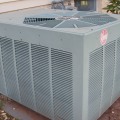
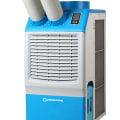
Air conditioning is more than just a luxury; it has become a necessity for many households, especially in regions where summer temperatures can soar. The primary function of an air conditioner is to regulate indoor temperatures, ensuring a comfortable living environment regardless of the weather outside. However, the effectiveness of an air conditioning system is heavily influenced by its size. Choosing the right size air conditioner is crucial for achieving optimal performance and energy efficiency. When selecting an air conditioning unit, many homeowners often overlook the importance of size, assuming that bigger is always better.
This misconception can lead to significant issues, including increased energy bills and inadequate cooling. An oversized unit may cool a space too quickly without properly dehumidifying the air, resulting in a clammy atmosphere. Conversely, a unit that is too small will struggle to maintain comfortable temperatures, leading to constant operation and premature wear and tear on the system. Understanding the basics of air conditioning can empower homeowners to make informed decisions. Factors such as the square footage of your home, ceiling height, insulation quality, and even the number of windows play a vital role in determining the appropriate size for your air conditioner.
By taking these elements into account, you can ensure that your cooling system operates efficiently and effectively. In this article, we will delve deeper into the significance of selecting the right size air conditioner for your home. We will explore various factors that influence AC size selection and provide practical tips to help you make the best choice for your specific needs. With the right information at your fingertips, you can enjoy a comfortable living space while maximizing energy efficiency and minimizing costs.
Understanding Air Conditioner Sizing: What Does It Mean?
When it comes to selecting an air conditioner, understanding the concept of air conditioner sizing is essential. This process involves determining the appropriate capacity of an AC unit to effectively cool a given space.The capacity is often measured in tonnage , which can be a confusing term for many homeowners.
Tonnage
refers to the cooling capacity of an air conditioning unit. One ton of cooling is equivalent to the ability to remove 12,000 British Thermal Units (BTUs) of heat from a space in one hour. This measurement is crucial because it helps homeowners understand how much cooling power they need based on their home’s size and layout.To put this into perspective, a small room may only require a 1-ton air conditioner, while larger spaces, such as a 3,000 square foot home, might necessitate a unit with a capacity of 5 tons or more. The right size ensures that the air conditioner can maintain comfortable temperatures without overworking itself.Choosing an air conditioner that is too small can lead to inadequate cooling, forcing the unit to run continuously and ultimately leading to higher energy bills and premature wear.
Conversely, selecting a unit that is too large can result in short cycling, where the AC cools the space too quickly without properly dehumidifying it, leading to discomfort and potential mold growth.To accurately determine the right tonnage for your home, several factors must be considered:
- Square Footage: The size of your home is the primary factor in determining AC capacity.
- Insulation Quality: Well-insulated homes retain cool air better than poorly insulated ones.
- Sun Exposure: Homes with large windows or those facing direct sunlight may require more cooling power.
- Ceiling Height: Higher ceilings can increase the volume of air that needs to be cooled.
- Number of Occupants: More people generate additional heat, which can affect cooling needs.
Factors Influencing the Size of Your Air Conditioner
When selecting the appropriate size for your air conditioner, several critical factors come into play. Understanding these elements can significantly enhance your ability to choose a unit that meets your home’s specific cooling needs.1.Home Size
The most apparent factor influencing the size of your air conditioning unit is the square footage of your home. Generally, larger homes require more powerful units to maintain comfortable temperatures.
A common guideline is that for every 600 to 800 square feet of living space, you will need approximately one ton of cooling capacity. However, this is just a starting point; other factors must also be considered.
2.Insulation Quality
The quality of insulation in your home plays a significant role in determining the size of the air conditioner you need. Well-insulated homes retain cool air more effectively, which can allow for a smaller unit. Conversely, homes with poor insulation may require a larger air conditioning system to compensate for the loss of cool air.
Pay attention to areas such as:
- Attics
- Basements
- Windows and doors
- Wall insulation
3.Local Climate
Your geographical location and local climate conditions are crucial in sizing your air conditioning unit. Homes in hotter climates will require more cooling capacity than those in milder areas. For instance, if you live in a region with high humidity and extreme summer temperatures, you may need a larger unit to effectively cool your space and manage humidity levels.
4.Ceiling Height
The height of your ceilings can also impact the size of the air conditioner needed. Standard ceiling heights are around 8 feet; however, if your ceilings are higher than this, you may need additional cooling capacity to account for the increased volume of air that needs to be cooled.
5.Number of Occupants
The number of people living in your home can affect cooling needs as well.
More occupants generate additional heat, which can lead to an increased demand for cooling. If you frequently host guests or have a large family, consider this factor when determining the size of your air conditioning unit.By taking these factors into account—home size, insulation quality, local climate, ceiling height, and number of occupants—you can make a more informed decision about the right size air conditioner for your home. This careful consideration will not only enhance comfort but also improve energy efficiency and prolong the lifespan of your HVAC system.
The Consequences of Choosing the Wrong Size Air Conditioner
Choosing the wrong size air conditioner can lead to a myriad of problems that not only affect your comfort but also your wallet. Understanding the consequences of both oversized and undersized units is essential for making an informed decision.Problems with Oversized Air Conditioners
While it may seem advantageous to have a more powerful air conditioning unit, an oversized AC can create significant issues:- Short Cycling: An oversized unit cools the space too quickly, causing it to turn on and off frequently.
This short cycling can lead to increased wear and tear on the system, ultimately shortening its lifespan.
- Inconsistent Temperatures: An oversized air conditioner may cool certain areas of your home too quickly while leaving others uncomfortably warm. This inconsistency can lead to hot and cold spots throughout your living space.
- Increased Humidity: Air conditioners not only cool the air but also remove humidity. An oversized unit may not run long enough to effectively dehumidify the air, leading to a clammy and uncomfortable environment.
- Higher Energy Costs: The frequent cycling of an oversized unit can lead to higher energy bills. The system consumes more electricity than necessary, negating any potential savings from its larger capacity.
Issues with Undersized Air Conditioners
On the other hand, opting for an undersized air conditioner can be equally problematic:- Inadequate Cooling: An undersized unit struggles to maintain a comfortable temperature, especially during peak heat periods.
This can leave you feeling hot and uncomfortable in your own home.
- Increased Wear and Tear: To compensate for its lack of capacity, an undersized AC will run continuously, leading to excessive strain on the system. This can result in more frequent repairs and a shorter lifespan.
- Higher Energy Bills: While it may seem counterintuitive, an undersized unit can lead to higher energy costs as it works harder and longer to cool your home. This inefficiency can significantly impact your monthly utility bills.
- Poor Air Quality: An undersized air conditioner may not effectively filter out pollutants and allergens from the air, leading to decreased indoor air quality. This can be particularly concerning for individuals with allergies or respiratory issues.
It is crucial to select the right size air conditioner for your home to avoid these pitfalls and ensure optimal performance.
How to Calculate the Right Size Air Conditioner for Your Home
Determining the right size air conditioner for your home is essential for achieving optimal comfort and energy efficiency. The sizing process primarily revolves around calculating the cooling capacity needed, which is measured in BTUs (British Thermal Units). Here’s a step-by-step guide to help you calculate the appropriate size air conditioner for your space.Step 1: Measure Your Space
- Begin by measuring the square footage of the area you want to cool. To do this, multiply the length of the room by its width.
For example, if your living room is 20 feet long and 15 feet wide, the calculation would be:
Step 2: Determine BTU Requirements
The next step is to determine how many BTUs are required to cool that space effectively. A general rule of thumb is that you need about 20 BTUs per square foot of living space. Using our previous example:
- 300 sq ft x 20 BTUs = 6,000 BTUs
Step 3: Adjust for Additional Factors
While the basic calculation provides a good starting point, several factors can influence your final BTU requirement:
- Ceiling Height: If your ceilings are higher than the standard 8 feet, you may need to increase your BTU calculation.
- Sunlight Exposure: Rooms that receive a lot of sunlight may require an additional 10% more BTUs.
- Occupancy: For each additional person over two in a room, add about 600 BTUs.
- Appliances and Electronics: If you have heat-generating appliances in the room, consider adding extra BTUs to compensate.
Step 4: Final Calculation
After adjusting for these factors, sum up your total BTU requirement. For instance, if your initial calculation was 6,000 BTUs and you add an extra 600 BTUs for an additional person and another 600 for sunlight exposure, your final requirement would be:
- 6,000 + 600 + 600 = 7,200 BTUs
Remember that choosing an appropriately sized unit not only enhances comfort but also improves energy efficiency and prolongs the lifespan of your air conditioning system.
Consulting with HVAC Professionals: Why It's Essential
When it comes to selecting the right air conditioning unit for your home, consulting with HVAC professionals is not just advisable; it is essential. These experts possess the knowledge and experience necessary to assess your specific cooling needs accurately. Unlike a one-size-fits-all approach, a professional consultation allows for a tailored recommendation that considers various factors unique to your home.Understanding Your Home's Unique Needs
Every home is different, and several elements influence its cooling requirements. An HVAC professional will evaluate:
- Square Footage: The size of your home directly impacts the tonnage required for effective cooling.
- Insulation Quality: Well-insulated homes retain cool air better, potentially allowing for a smaller unit.
- Window Orientation and Size: Large windows or those facing the sun can increase heat gain, necessitating a more powerful AC unit.
- Ceiling Height: Higher ceilings may require additional cooling capacity due to increased air volume.
- Local Climate: The average temperature and humidity levels in your area can significantly affect your cooling needs.
The Benefits of Professional AC Sizing
One of the primary advantages of consulting with an HVAC expert is their ability to perform precise calculations for AC sizing.
This process often involves using industry-standard methods such as Manual J calculations, which take into account all the factors mentioned above. By doing so, they can recommend an air conditioner that not only fits your space but also operates efficiently.
Avoiding Common Pitfalls
Many homeowners mistakenly choose an air conditioning unit based solely on brand reputation or price, leading to issues such as:
- Over-sizing: A unit that is too large will cycle on and off frequently, leading to increased wear and tear and higher energy bills.
- Under-sizing: Conversely, a unit that is too small will struggle to cool your home effectively, resulting in discomfort and potential system failure.
Long-Term Savings and Peace of Mind
The initial cost of hiring an HVAC expert may seem like an added expense, but the long-term savings can be substantial. A correctly sized air conditioner operates more efficiently, reducing energy consumption and lowering utility bills. Additionally, proper installation by a professional minimizes the risk of future repairs or replacements, providing peace of mind for homeowners.In conclusion, consulting with HVAC professionals is crucial when selecting an air conditioning unit.
Their expertise ensures that you choose the right size AC for your home, ultimately leading to enhanced comfort, efficiency, and savings over time.
Common Myths About Air Conditioner Sizing Debunked
When it comes to selecting the right size air conditioner for your home, several myths and misconceptions can cloud your judgment. Understanding the truth behind these common beliefs is essential for making an informed decision that will ensure your home remains comfortable and energy-efficient.- Myth 1: Bigger is Always Better
Many homeowners believe that a larger air conditioner will cool their space more effectively. However, this is a misconception. An oversized unit can lead to short cycling, where the AC turns on and off frequently, failing to properly dehumidify the air.This not only reduces comfort but can also increase energy bills and wear out the system faster.
- Myth 2: All AC Units Are Created Equal
Another common myth is that all air conditioners have the same cooling capacity regardless of their brand or model. In reality, different units have varying efficiencies and features. Factors such as SEER (Seasonal Energy Efficiency Ratio) ratings and technology (like inverter-driven compressors) can significantly affect performance and energy consumption. - Myth 3: You Can Estimate AC Size Based on Square Footage Alone
While square footage is a critical factor in determining the appropriate size of an air conditioner, it is not the only one. Other elements such as ceiling height, insulation quality, window size, and local climate conditions also play a significant role in sizing.A professional assessment will consider all these factors for a more accurate recommendation.
- Myth 4: Once Installed, You Don’t Need to Think About Sizing Again
Some homeowners assume that once they have installed an air conditioner, they won’t need to reassess its size in the future. However, changes in your home—such as renovations, additional rooms, or changes in insulation—can affect your cooling needs. Regular evaluations are essential to ensure your system continues to meet your requirements.
Maintenance Tips for Your Air Conditioner to Ensure Longevity and Efficiency
Maintaining your air conditioner is essential for ensuring its longevity and efficiency.Regular upkeep not only helps in prolonging the lifespan of your unit but also enhances its performance, leading to lower energy bills and a more comfortable living environment. Here are some practical maintenance tips that every homeowner should follow:
- Change or Clean Filters Regularly: One of the simplest yet most effective maintenance tasks is to check and replace or clean your air filters every 1-3 months. Clogged filters restrict airflow, making your AC work harder and less efficiently.
- Keep the Outdoor Unit Clear: Ensure that the area around your outdoor condenser unit is free from debris, leaves, and vegetation. A clear space allows for proper airflow, which is crucial for efficient operation.
- Inspect Ductwork: Leaky ducts can lead to significant energy loss.
Regularly inspect your ductwork for any signs of wear or damage, and seal any leaks to improve efficiency.
- Schedule Professional Maintenance: At least once a year, have a qualified HVAC technician perform a thorough inspection and tune-up of your system. They can identify potential issues before they become major problems.
- Check Thermostat Settings: Ensure that your thermostat is functioning correctly and set to an appropriate temperature. Consider upgrading to a programmable thermostat for better control over your cooling schedule.
- Clean the Coils: Both the evaporator and condenser coils should be cleaned regularly to remove dirt and debris that can hinder performance. Dirty coils can lead to overheating and increased energy consumption.
- Monitor Refrigerant Levels: Low refrigerant levels can indicate a leak in the system.
If you notice a drop in cooling efficiency, have a professional check the refrigerant levels and repair any leaks.
Conclusion: Making an Informed Decision on Your Air Conditioner Size
In summary, selecting the appropriate size for your air conditioner is not merely a matter of convenience; it is a critical decision that can significantly influence your home’s comfort, energy efficiency, and the longevity of your HVAC system. Throughout this article, we have explored various factors that contribute to determining the right tonnage for your air conditioning unit, emphasizing that both under-sizing and over-sizing can lead to detrimental effects.To recap, an under-sized air conditioner will struggle to cool your home effectively, leading to increased wear and tear on the system. This can result in higher energy bills and a shorter lifespan for the unit.Conversely, an over-sized air conditioner may cool your space too quickly without adequately removing humidity, leaving you with a clammy and uncomfortable environment.When considering the size of your air conditioner, it is essential to take into account:
- The square footage of your home
- The layout and insulation quality of your space
- The local climate and typical weather patterns
- The number of windows and their orientation
- The presence of heat-generating appliances or electronics
Take action today—your future self will thank you for it!.