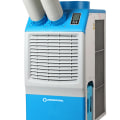
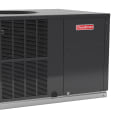
Understanding the fundamentals of air conditioning is essential for any homeowner looking to create a comfortable living environment, especially in a space as sizable as 2000 square feet. At its core, an air conditioner functions by removing heat and humidity from the indoor air, thereby cooling the space. This process involves several key components, including the compressor, condenser, evaporator, and expansion valve, each playing a vital role in the refrigeration cycle that keeps your home cool.There are various types of air conditioners, each designed to meet different cooling needs and preferences. Central air conditioning systems are popular for larger homes, as they distribute cool air through a network of ducts.
On the other hand, ductless mini-split systems offer flexibility and efficiency for homes without existing ductwork. Window units and portable air conditioners provide convenient solutions for smaller spaces or specific rooms, allowing homeowners to cool only the areas they use most frequently.Understanding how these systems operate not only helps in selecting the right unit but also informs maintenance practices that can prolong the life of your air conditioner. For instance, regular filter changes and professional servicing can enhance efficiency and performance. As you delve deeper into this guide, you will discover how to assess your home’s unique cooling requirements and make an informed decision that aligns with both your comfort needs and budget.
Calculating the Right Size AC for Your Home
Choosing the right size air conditioner for your 2000 square foot home is crucial for achieving optimal comfort and energy efficiency.The primary measurement used to determine the cooling capacity of an air conditioner is the British Thermal Unit (BTU). Understanding how to calculate your BTU requirements will help you select an AC unit that effectively cools your space without wasting energy.
Understanding BTU Requirements
BTUs measure the amount of heat an air conditioner can remove from a room in one hour. For a standard 2000 square foot home, the general guideline is to have approximately 20 BTUs per square foot. Therefore, you would need around 40,000 BTUs to adequately cool your entire home.
However, this is just a starting point; several factors can influence your specific needs.
Factors Influencing Cooling Capacity
- Ceiling Height: If your ceilings are higher than the standard 8 feet, you may need additional BTUs to account for the extra volume of air.
- Insulation Quality: Well-insulated homes retain cool air more effectively, potentially reducing the required BTUs.
- Sun Exposure: Homes with large windows or those facing direct sunlight may require more cooling capacity due to increased heat gain.
- Number of Occupants: More people generate additional heat; consider adding about 600 BTUs for each additional person beyond two.
- Appliances and Electronics: Heat-producing appliances can also affect your cooling needs. If you have multiple devices running frequently, factor in their heat output.
Calculating Your Specific Needs
To accurately size your air conditioner, start by calculating the total square footage of your home. Then, apply the general guideline of 20 BTUs per square foot. Adjust this number based on the factors mentioned above.
For example, if you have high ceilings and significant sun exposure, you might increase your total by 10-20% to ensure adequate cooling.Once you have a rough estimate of your BTU requirements, consult with an HVAC professional who can perform a detailed load calculation. This assessment will take into account all variables specific to your home and provide a precise recommendation for the best air conditioning unit for your needs.For example, if you have high ceilings and significant sun exposure, you might increase your total by 10-20% to ensure adequate cooling.Once you have a rough estimate of your BTU requirements, consult with an HVAC professional who can perform a detailed load calculation. This assessment will take into account all variables specific to your home and provide a precise recommendation for the best air conditioning unit for your needs.
Factors Influencing Air Conditioner Selection
When selecting an air conditioner for your 2000 square foot home, several critical factors come into play that can significantly influence your choice. Understanding these elements will not only help you choose the right unit but also ensure optimal performance and energy efficiency.Insulation Quality
The quality of your home’s insulation is one of the most significant factors affecting your air conditioning needs. Proper insulation helps maintain a consistent indoor temperature by minimizing heat transfer between the inside and outside of your home.If your home is well-insulated, it will retain cool air more effectively, allowing you to choose a smaller, less powerful air conditioner.
- Types of Insulation: Different types of insulation materials (fiberglass, foam, cellulose) have varying R-values, which measure their effectiveness. Higher R-values indicate better insulation.
- Windows and Doors: Ensure that windows and doors are properly sealed. Leaky windows can lead to significant energy loss, making it necessary to opt for a more powerful AC unit.
- Attic Insulation: A well-insulated attic can prevent heat from escaping in winter and keep it out in summer, reducing the load on your air conditioner.
Local Climate Conditions
Your local climate plays a crucial role in determining the size and type of air conditioner you need. Different regions experience varying temperatures and humidity levels, which can affect cooling requirements.- Temperature Extremes: In areas with high summer temperatures, a more robust air conditioning system may be necessary to maintain comfort levels.
- Humidity Levels: High humidity can make it feel warmer than it actually is.
In such cases, an air conditioner with dehumidifying capabilities may be beneficial.
- Seasonal Variations: Consider how long the cooling season lasts in your area. If summers are prolonged, investing in a higher-capacity unit might be wise.
Home Layout
The layout of your home also impacts the effectiveness of an air conditioning system. Open floor plans may allow for better airflow and cooling efficiency compared to homes with many small rooms.- Room Size: Larger rooms may require additional cooling power or multiple units to ensure even temperature distribution.
- Ceiling Height: Homes with high ceilings may need more powerful units since cool air tends to settle lower.
- Sun Exposure: Rooms that receive direct sunlight throughout the day may require additional cooling capacity to offset heat gain.
Types of Air Conditioners Suitable for 2000 Square Feet
When it comes to cooling a 2000 square foot home, selecting the right type of air conditioner is crucial for achieving optimal comfort and energy efficiency.There are several options available, each with its own set of advantages and disadvantages. Below, we will explore three primary types of air conditioning systems: central AC systems, window units, and ductless mini-splits.
Central Air Conditioning Systems
Central air conditioning is often considered the gold standard for cooling larger homes. This system uses a network of ducts to distribute cool air throughout the house, making it an effective choice for a 2000 square foot space. Here are some key points to consider:- Efficiency: Central AC units are typically more energy-efficient than individual window units, especially when cooling multiple rooms.
- Comfort: These systems provide consistent temperatures across all areas of the home, eliminating hot spots.
- Installation: While installation can be more complex and costly due to ductwork requirements, the long-term benefits often outweigh the initial investment.
Window Air Conditioners
Window units are a popular choice for homeowners looking for a budget-friendly option.They are designed to cool single rooms and can be an effective solution for specific areas of your home. Consider the following:
- Cost-Effective: Window AC units are generally less expensive to purchase and install compared to central systems.
- Easy Installation: Most window units can be installed without professional help, making them accessible for DIY enthusiasts.
- Limitations: However, they may not provide adequate cooling for larger spaces or multiple rooms, leading to uneven temperatures.
Ductless Mini-Split Systems
Ductless mini-split systems have gained popularity in recent years due to their flexibility and efficiency. These systems consist of an outdoor compressor and one or more indoor air-handling units. Here’s what you should know:- Versatility: Ductless systems allow homeowners to cool specific areas without the need for ductwork, making them ideal for homes without existing ducts.
- Energy Efficiency: Many models come with high SEER ratings, which can lead to significant energy savings over time.
- Installation Costs: While installation may be more expensive than window units, it is often less than that of central AC systems.
By understanding the differences between central AC systems, window units, and ductless mini-splits, you can make an informed decision that best suits your lifestyle and comfort requirements.
Energy Efficiency Ratings and Their Importance
When selecting an air conditioner for your 2000 square foot home, understanding energy efficiency ratings is crucial. These ratings provide insight into how effectively an air conditioning unit converts electricity into cooling power, which can significantly impact your energy bills and environmental footprint.One of the most important metrics to consider is the Seasonal Energy Efficiency Ratio (SEER). This rating measures the cooling output of an air conditioner over a typical cooling season divided by the total electric energy input during the same period. In simpler terms, a higher SEER rating indicates a more efficient unit.For instance, a unit with a SEER of 16 will use less energy to produce the same amount of cooling as a unit with a SEER of 13.Here are some key points to consider regarding SEER ratings:
- Minimum Standards: The U. S. Department of Energy has set minimum SEER ratings for air conditioners, which vary by region. For most areas, the minimum is currently 14, but higher efficiency models are available.
- Cost Savings: Investing in a higher SEER-rated air conditioner can lead to substantial savings on your energy bills.
For example, upgrading from a SEER 13 to a SEER 16 can save you approximately 20% on cooling costs annually.
- Environmental Impact: More efficient units not only save you money but also reduce your carbon footprint. By consuming less energy, you contribute to lower greenhouse gas emissions.
- Proper Sizing: Ensure that your AC unit is appropriately sized for your home. An oversized or undersized unit can lead to inefficiencies and increased energy consumption.
- Regular Maintenance: Schedule routine maintenance to keep your system running efficiently.
Clean filters and coils can significantly improve performance and efficiency.
- Smart Thermostats: Pairing your air conditioner with a smart thermostat can optimize its operation, allowing for better control over energy usage.
Installation Considerations for Your AC Unit
When it comes to installing your new air conditioner, there are several critical factors to consider that can significantly impact the efficiency and longevity of your unit. Understanding these aspects will help you make an informed decision on whether to opt for professional installation or tackle the project yourself.Professional Installation vs. DIY
One of the first decisions you'll face is whether to hire a professional or attempt a DIY installation.While the allure of saving money by doing it yourself is tempting, there are several reasons why professional installation is often the better choice:
- Expertise: HVAC professionals have the training and experience necessary to install your air conditioner correctly. They understand the nuances of different systems and can ensure that your unit is set up for optimal performance.
- Warranty Protection: Many manufacturers require professional installation to maintain warranty coverage. If you install the unit yourself and something goes wrong, you may void the warranty.
- Safety: Installing an air conditioner involves handling electrical components and refrigerants, which can be hazardous if not managed properly. Professionals are equipped to handle these risks safely.
Watch instructional videos, read manuals, and gather all necessary tools before starting.
Installation Costs
The cost of installing an air conditioner can vary widely based on several factors:- Type of Unit: Central air conditioning systems typically cost more to install than window units or ductless mini-splits due to their complexity.
- Labor Costs: If you choose professional installation, labor costs can range from $50 to $150 per hour, depending on your location and the contractor's expertise.
- Add-On Features: Additional features such as smart thermostats or enhanced filtration systems can increase overall costs but may provide long-term savings on energy bills.
Maintenance Tips for Longevity and Efficiency
To ensure your air conditioner operates at peak performance and enjoys a long lifespan, regular maintenance is essential. Here are some practical tips to help you maintain your AC unit effectively:- Regular Filter Changes: One of the simplest yet most effective maintenance tasks is changing or cleaning the air filters. Clogged filters restrict airflow, making your AC work harder and less efficiently.
Aim to check your filters monthly and replace them every 1-3 months, depending on usage and filter type.
- Keep the Outdoor Unit Clean: The outdoor condenser unit should be free from debris such as leaves, dirt, and grass clippings. Regularly inspect the area around the unit and clear away any obstructions to ensure proper airflow. A clean unit can significantly improve efficiency.
- Inspect Ductwork: Leaky ducts can lead to significant energy loss and reduced cooling efficiency. Periodically inspect your ductwork for any signs of wear or damage.
Sealing leaks with duct tape or hiring a professional for repairs can enhance your system's performance.
- Schedule Professional Maintenance: While DIY maintenance is crucial, having a professional HVAC technician perform an annual inspection is equally important. They can identify potential issues before they become major problems, ensuring your system runs smoothly.
- Check Thermostat Settings: Ensure that your thermostat is functioning correctly and set to an appropriate temperature. Consider upgrading to a programmable thermostat that can adjust temperatures based on your schedule, improving efficiency.
- Monitor Refrigerant Levels: Low refrigerant levels can indicate a leak, which can severely impact cooling efficiency. If you notice that your AC is not cooling effectively, have a technician check the refrigerant levels and recharge if necessary.
- Clear the Drain Line: A clogged condensate drain line can lead to water damage and increased humidity levels in your home.
Regularly check the drain line for blockages and clear it using a wet/dry vacuum or a plumber's snake if necessary.
Common Mistakes to Avoid When Choosing an AC Unit
Choosing the right air conditioner for your home is crucial for maintaining comfort and energy efficiency. However, many homeowners fall into common traps that can lead to poor decisions. Here are some of the most frequent mistakes to avoid when selecting an AC unit:- Oversizing the Unit: One of the biggest errors is opting for an air conditioner that is too large for your space.
While it may seem logical that a bigger unit would cool your home faster, an oversized AC can lead to short cycling. This means the unit will turn on and off frequently, which not only wastes energy but also fails to effectively dehumidify your home.
- Undersizing the Unit: Conversely, choosing a unit that is too small can leave your home uncomfortably warm. An undersized air conditioner will struggle to maintain the desired temperature, leading to increased energy bills and wear on the system. It's essential to calculate the correct BTU (British Thermal Units) needed based on your home's square footage and other factors.
- Ignoring Insulation and Sealing: Many homeowners overlook the importance of proper insulation and sealing in their homes.
If your house has poor insulation or leaks, even the best air conditioner will struggle to keep it cool. Before purchasing a new unit, ensure that your home is well-insulated and that windows and doors are properly sealed.
- Neglecting Energy Efficiency Ratings: When selecting an air conditioner, it's vital to consider its energy efficiency rating. Units with higher SEER (Seasonal Energy Efficiency Ratio) ratings may have a higher upfront cost but can save you money in the long run through lower energy bills. Always check for the ENERGY STAR label, which indicates that the unit meets strict energy efficiency guidelines.
- Not Considering Noise Levels: Air conditioners can vary significantly in terms of noise output.
If you plan to install a unit in a bedroom or a quiet area of your home, be sure to check the decibel levels of different models. A noisy unit can disrupt your peace and quiet, so look for models designed for quieter operation.
- Failing to Account for Local Climate: The climate in which you live plays a significant role in determining the type of air conditioner you need. For instance, if you live in an area with high humidity, you may require a unit with better dehumidification capabilities. Understanding your local weather patterns can help you choose a more suitable system.
Take the time to research and consider all factors before making a purchase decision.
Frequently Asked Questions About Air Conditioners for 2000 Square Feet Homes
When it comes to selecting the right air conditioner for your 2000 square foot home, many homeowners have questions. Below are some of the most frequently asked questions that can help guide your decision-making process.What size air conditioner do I need for a 2000 square foot home?
The size of the air conditioner is crucial for effective cooling. For a 2000 square foot home, a 3-ton air conditioner is generally recommended. However, this can vary based on factors such as ceiling height, insulation quality, and local climate.It's essential to perform a Manual J calculation or consult with an HVAC professional to determine the exact size needed.
How do I know if my air conditioner is the right size?
If your air conditioner is too small, it will struggle to cool your home, leading to higher energy bills and potential wear and tear. Conversely, an oversized unit may cool the space too quickly without adequately dehumidifying it. Signs of improper sizing include:- Inconsistent temperatures throughout the house
- High energy bills
- Frequent cycling on and off
- Excess humidity indoors
What are common troubleshooting tips for air conditioners?
If you encounter issues with your air conditioning unit, consider these troubleshooting steps:- Check the thermostat: Ensure it's set to a lower temperature than the current room temperature.
- Inspect the air filter: A dirty filter can restrict airflow and reduce efficiency. Replace or clean it regularly.
- Examine the outdoor unit: Make sure it's free from debris like leaves or dirt that could obstruct airflow.
- Look for leaks: Check for any refrigerant leaks, which can significantly impact performance.
How often should I service my air conditioner?
Regular maintenance is key to keeping your air conditioner running efficiently.It’s advisable to schedule professional servicing at least once a year, ideally before the cooling season begins. This will help identify potential issues early and ensure optimal performance throughout the summer months.By addressing these common questions and concerns, you can make a more informed decision about your air conditioning needs and ensure that your 2000 square foot home remains comfortable all summer long.
Conclusion: Making an Informed Decision on Your Air Conditioner Purchase
In conclusion, selecting the right air conditioner for your 2000 square foot home is a critical decision that can significantly impact your comfort, energy efficiency, and overall satisfaction. Throughout this guide, we have explored various factors that influence the choice of an AC unit, emphasizing the importance of understanding your specific needs and the unique characteristics of your home.To recap, here are the key considerations to keep in mind:- Cooling Capacity: The size of the air conditioner is paramount. A unit that is too small will struggle to cool your space, while one that is too large can lead to inefficient operation and increased energy costs.
For a 2000 square foot home, a 3-ton unit is often recommended, but individual factors such as insulation quality and local climate must be assessed.
- Energy Efficiency: Look for units with high SEER (Seasonal Energy Efficiency Ratio) ratings. Higher efficiency models may have a higher upfront cost but can save you money in the long run through reduced energy bills.
- Type of Air Conditioner: Consider whether a central air conditioning system, ductless mini-split, or window unit best suits your home layout and cooling needs. Each type has its advantages and disadvantages depending on installation requirements and budget.
- Installation and Maintenance: Proper installation is crucial for optimal performance. Hiring a qualified HVAC professional ensures that your unit operates efficiently.
Additionally, regular maintenance will prolong the life of your air conditioner and maintain its efficiency.
- Budget: Establishing a clear budget helps narrow down options. Remember to factor in not just the purchase price but also installation costs and potential long-term savings from energy-efficient models.