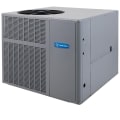
When it comes to keeping your home cool during the sweltering summer months, understanding the various types of air conditioners available is essential. Each type of air conditioning system has its unique features, benefits, and drawbacks, making it crucial for homeowners to assess their specific needs before making a decision. From traditional central air systems that provide whole-home cooling to more modern solutions like ductless mini-splits, window units, and portable ACs, the options are diverse and tailored to different living situations.Central air conditioning systems are often the go-to choice for larger homes or those with existing ductwork. These systems circulate cool air through a network of ducts, ensuring even temperature distribution throughout the house.
However, they can be costly to install and maintain, especially in homes without pre-existing ducts. On the other hand, ductless mini-split systems offer a flexible alternative. They consist of an outdoor compressor and one or more indoor units that can be installed in various rooms. This technology allows for zoned cooling, meaning you can control the temperature in individual spaces, which can lead to significant energy savings.For those seeking a more budget-friendly option or for renters, window-mounted and portable air conditioners present viable solutions.
Window units are designed to fit snugly into a window frame and are ideal for cooling single rooms. They are generally easy to install and remove, making them perfect for temporary use. Portable ACs, while slightly less efficient than window units, offer the advantage of mobility; they can be moved from room to room as needed. Understanding these different types of air conditioners will empower homeowners to make informed choices that align with their cooling needs and budget.
Factors to Consider When Choosing an Air Conditioner
Choosing the right air conditioner for your home is a critical decision that can significantly impact your comfort and energy bills.Several factors should be taken into account to ensure you select the most suitable unit for your needs.
1.Room Size
The size of the room you intend to cool is one of the most important considerations. Air conditioners are rated by their cooling capacity, measured in British Thermal Units (BTUs). A unit with too low a BTU rating will struggle to cool the space effectively, while one with too high a rating may cool the room too quickly without adequately removing humidity. To determine the appropriate BTU rating, consider the following:
- For small rooms (up to 150 sq.
ft.), look for units with 5,000 to 6,000 BTUs.
- Medium rooms (150-300 sq. ft.) typically require 7,000 to 8,000 BTUs.
- For larger spaces (300-450 sq. ft.), aim for 9,000 to 12,000 BTUs.
2.Energy Efficiency Ratings
Energy efficiency is another crucial factor when selecting an air conditioner. Look for units with high Seasonal Energy Efficiency Ratio (SEER) and Energy Efficiency Ratio (EER) ratings.
SEER measures the cooling output during a typical cooling season divided by the total electric energy input during the same period, while EER measures efficiency at a specific temperature. Higher ratings indicate better energy efficiency:
- A SEER rating of 14 or higher is considered efficient.
- An EER rating above 12 is generally regarded as good.
3.Installation Requirements
The installation process can vary significantly between different types of air conditioners. Central air systems often require ductwork and professional installation, which can add to your overall costs. In contrast, window units and portable air conditioners are typically easier to install and may not require professional help.
Consider your home’s layout and whether you have existing ductwork when making your choice.
4.Budget Considerations
Your budget will play a significant role in your decision-making process. While it may be tempting to opt for the cheapest option available, investing in a higher-quality unit with better energy efficiency can lead to long-term savings on energy bills. Additionally, consider potential maintenance costs and warranties offered by manufacturers.By carefully evaluating these factors—room size, energy efficiency ratings, installation requirements, and budget—you can make an informed decision that ensures optimal performance and cost-effectiveness for your air conditioning needs.
Energy Efficiency: Why It Matters
When selecting an air conditioner, one of the most critical factors to consider is energy efficiency. This not only impacts your monthly utility bills but also contributes to a more sustainable environment.Energy-efficient air conditioning systems are designed to use less electricity while providing the same level of cooling comfort, making them a smart choice for homeowners.One of the key metrics used to measure the energy efficiency of air conditioners is the Seasonal Energy Efficiency Ratio (SEER). The SEER rating indicates how much cooling output a unit provides per watt of electricity consumed over a typical cooling season. In general, the higher the SEER rating, the more efficient the air conditioner. For instance, a unit with a SEER rating of 16 is significantly more efficient than one rated at 10.Investing in an air conditioner with a higher SEER rating can lead to substantial cost savings over time.
While these units may have a higher upfront cost, the energy savings can offset this initial investment. According to the U. S. Department of Energy, upgrading from an older model with a SEER rating of 10 to a new model with a SEER rating of 16 can save homeowners approximately 30-50% on their cooling costs annually.
This translates into hundreds of dollars saved each year, depending on usage and local energy rates.Moreover, energy-efficient air conditioners often come equipped with advanced technologies such as variable-speed compressors and smart thermostats. These features allow for better temperature control and reduced energy consumption during off-peak hours. By optimizing energy use, these systems not only enhance comfort but also minimize wear and tear on the unit, extending its lifespan.Beyond financial benefits, choosing an energy-efficient air conditioner has significant environmental advantages. By consuming less electricity, these units help reduce greenhouse gas emissions associated with power generation.
This is particularly important as many regions rely on fossil fuels for electricity, contributing to climate change and air pollution.In conclusion, prioritizing energy efficiency when selecting an air conditioner is essential for both economic and environmental reasons. By opting for models with higher SEER ratings and advanced features, homeowners can enjoy lower utility bills while contributing to a healthier planet.
Top Air Conditioner Brands and Models Reviewed
When it comes to selecting the best air conditioner for your home, understanding the leading brands and their top models is crucial. In 2023, several manufacturers have distinguished themselves in terms of performance, energy efficiency, and customer satisfaction. Below, we delve into some of the top air conditioner brands and their standout models.1.Trane
Trane is renowned for its reliability and innovative technology.Their models often feature advanced climate control systems that adapt to your home’s specific needs.
- Trane XV20i: This model boasts a SEER rating of up to 22, making it one of the most energy-efficient options available. It includes a variable-speed compressor that adjusts cooling output based on demand, ensuring optimal comfort.
- Trane XR14: A more budget-friendly option, the XR14 offers a SEER rating of up to 16 and is known for its durability and quiet operation.
2.Lennox
Lennox is another top contender in the air conditioning market, recognized for its high-efficiency systems.- Lennox XC25: With a SEER rating of 26, this model is one of the most efficient on the market. It features a variable-capacity compressor that provides precise temperature control.
- Lennox EL16XC1: This model offers a balance of performance and affordability with a SEER rating of up to 17, making it an excellent choice for homeowners looking to save on energy costs.
3.Carrier
Carrier has been a leader in HVAC technology for decades, known for its innovative designs and reliable performance.- Carrier Infinity 26: This model features a SEER rating of up to 26 and utilizes Greenspeed Intelligence technology to optimize energy use while maintaining comfort.
- Carrier Comfort 14: A solid choice for those on a budget, this model offers a SEER rating of up to 16.5 and is designed for easy installation and maintenance.
4.Mitsubishi Electric
Mitsubishi Electric specializes in ductless systems, making them ideal for homes without existing ductwork.- Mitsubishi MSZ-GL Series: Known for its efficiency and quiet operation, this series offers SEER ratings up to 24.6 and is perfect for individual room cooling.
- Mitsubishi MXZ Series: This multi-zone system allows homeowners to cool multiple rooms with one outdoor unit, providing flexibility and energy savings.
Installation Considerations for Your Air Conditioner
When it comes to installing your new air conditioner, there are several factors to consider that can significantly impact the efficiency and effectiveness of your cooling system.Understanding the installation process is crucial, whether you opt for a DIY approach or decide to hire a professional.
DIY Installation: Pros and Cons
Many homeowners consider installing their air conditioner themselves to save on labor costs. While this can be a viable option for certain types of units, such as window-mounted or portable air conditioners, it’s essential to weigh the pros and cons:- Pros:
- Cost Savings: By handling the installation yourself, you can save on labor costs, which can be significant.
- Flexibility: You can choose your own schedule and work at your own pace.
- Satisfaction: Successfully installing your own unit can provide a sense of accomplishment.
- Cons:
- Complexity: Some units, especially central air systems, require specialized knowledge and tools for proper installation.
- Warranty Issues: DIY installations may void the manufacturer’s warranty if not done correctly.
- Safety Risks: Improper installation can lead to safety hazards, including electrical issues or refrigerant leaks.
Professional Installation: Benefits
If you’re considering a more complex system, such as a ductless mini-split or central air conditioning unit, hiring a professional is often the best choice. Here are some benefits of professional installation:- Expertise: Professionals have the training and experience to ensure that your air conditioner is installed correctly and efficiently.
- Time-Saving: Professionals can complete the installation much faster than most DIYers.
- Compliance: They ensure that all local codes and regulations are met during installation.
Installation Costs
The cost of installing an air conditioner can vary widely based on several factors, including the type of unit, the complexity of the installation, and your geographical location. Here’s a breakdown of potential costs:- Window Units: Typically range from $100 to $500 for purchase and installation.
- Ductless Mini-Splits: Installation costs can range from $1,500 to $5,000 depending on the number of zones and complexity.
- Cental Air Systems: These systems can cost between $3,000 and $7,000 or more when factoring in ductwork and labor.
Proper installation is key to maximizing the efficiency and lifespan of your air conditioner.
Maintenance Tips for Longevity and Efficiency
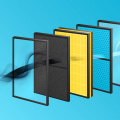
To ensure your air conditioner operates at peak efficiency and enjoys a long lifespan, regular maintenance is essential. Here are some key maintenance tips that every homeowner should follow:- Regular Filter Changes: One of the simplest yet most effective maintenance tasks is changing or cleaning the air filter. A clogged filter restricts airflow, making your AC work harder and less efficiently. Aim to check your filter monthly and replace it every 1-3 months, depending on usage and the type of filter.
- Keep the Outdoor Unit Clean: The outdoor condenser unit can accumulate dirt, leaves, and debris over time.
Regularly inspect the unit and clear away any obstructions. Ensure there’s at least two feet of clearance around the unit for optimal airflow.
- Inspect Ductwork: Leaky ducts can significantly reduce your system's efficiency. Inspect your ductwork for any visible signs of wear or damage. Sealing leaks can improve airflow and reduce energy costs.
- Schedule Professional Maintenance: While DIY maintenance is crucial, having a professional HVAC technician perform an annual inspection can catch potential issues before they become costly repairs.
They can clean coils, check refrigerant levels, and ensure all components are functioning correctly.
- Monitor Thermostat Settings: Ensure your thermostat is functioning properly and set to an appropriate temperature. Consider upgrading to a smart thermostat that can optimize cooling schedules based on your habits.
- Unusual Noises: If your air conditioner starts making strange sounds like grinding or squealing, it may indicate a mechanical issue that requires immediate attention.
- Inconsistent Cooling: If certain rooms are warmer than others, it could be a sign of ductwork issues or an improperly sized unit.
- Increased Energy Bills: A sudden spike in energy costs may suggest that your AC is working harder than it should due to inefficiencies or malfunctions.
The Future of Air Conditioning: Innovations and Trends
The landscape of air conditioning is rapidly evolving, driven by technological advancements and a growing emphasis on sustainability. Homeowners are increasingly looking for solutions that not only provide comfort but also enhance energy efficiency and reduce environmental impact. Here, we explore some of the most significant innovations and trends shaping the future of air conditioning.Smart AC Technology
One of the most exciting developments in air conditioning is the rise of smart AC technology.These systems integrate with home automation platforms, allowing users to control their air conditioning units remotely via smartphones or tablets. Features such as programmable schedules, real-time energy usage monitoring, and adaptive learning algorithms enable these units to optimize performance based on user habits.
- Remote Control: Smart air conditioners can be adjusted from anywhere, ensuring that your home is at the perfect temperature when you arrive.
- Energy Monitoring: Many smart units provide insights into energy consumption, helping homeowners identify ways to save on utility bills.
- Integration with IoT: These systems can communicate with other smart devices in your home, such as smart thermostats and sensors, to create a cohesive climate control strategy.
Eco-Friendly Cooling Solutions
As environmental concerns continue to rise, eco-friendly cooling solutions are becoming more prevalent. Manufacturers are developing air conditioners that utilize natural refrigerants, which have a lower global warming potential compared to traditional refrigerants. Additionally, many new models are designed with energy-efficient components that significantly reduce electricity consumption.- Solar-Powered AC Units: These systems harness solar energy to power air conditioning units, reducing reliance on fossil fuels and lowering energy costs. These systems harness solar energy to power air conditioning units, reducing reliance on fossil fuels and lowering energy costs.
- Geothermal Systems: Utilizing the earth's stable underground temperature, geothermal heat pumps provide efficient heating and cooling without excessive energy use.
- High SEER Ratings: Look for units with high Seasonal Energy Efficiency Ratios (SEER), which indicate superior energy efficiency and lower operational costs.
By staying informed about these trends, homeowners can make educated decisions that align with their values and needs while enjoying a cool and comfortable living space.
Frequently Asked Questions About Air Conditioners
When it comes to air conditioners, homeowners often have a multitude of questions. Understanding these common queries can help you make informed decisions about your cooling system. Below are some frequently asked questions about air conditioners, along with clear and concise answers.What size air conditioner do I need for my home?
The size of the air conditioner you need depends on several factors, including the square footage of the space you want to cool, the ceiling height, and the insulation quality. A unit that is too small will struggle to cool your home, while one that is too large can lead to increased energy costs and humidity issues.To determine the right size, you can use the BTU (British Thermal Unit) rating as a guideline. Generally, you need about 20 BTUs per square foot of living space.
How often should I clean or replace my air filter?
Maintaining a clean air filter is crucial for the efficiency of your air conditioner. It is recommended to check your filter monthly and replace or clean it every 1-3 months, depending on usage and the type of filter. A clogged filter can restrict airflow, making your system work harder and increasing energy consumption.What are some common signs that my air conditioner needs repair?
- Unusual noises: If you hear grinding, squealing, or banging sounds, it may indicate a mechanical issue.
- Inconsistent temperatures: If some rooms are cooler than others or if the unit is not cooling effectively, it could be a sign of a refrigerant leak or other problems.
- Increased energy bills: A sudden spike in your energy costs without an increase in usage may suggest that your AC unit is working inefficiently.
- Foul odors: Strange smells can indicate mold growth or electrical issues within the unit.
How can I improve the efficiency of my air conditioner?
To enhance the efficiency of your air conditioning system, consider the following tips:- Regular maintenance: Schedule annual professional inspections to ensure your system is running optimally.
- Seal leaks: Check for gaps around windows and doors and seal them to prevent cool air from escaping.
- Use programmable thermostats: These devices allow you to set specific temperatures for different times of the day, reducing energy consumption when you're not home.
- Keep vents clear: Ensure that furniture or other objects do not block airflow from vents.
Conclusion: Making the Right Choice for Your Home's Comfort
Choosing the right air conditioner for your home is a crucial decision that can significantly impact your comfort and energy bills.Throughout this article, we have explored various types of AC units, including traditional central air systems, ductless mini-splits, and window-mounted models. Each option has its unique advantages and considerations, making it essential to assess your specific needs before making a purchase.One of the primary factors to consider is the size of the space you need to cool. For smaller rooms, a window-mounted unit or a compact ductless system may suffice, providing efficient cooling without the need for extensive installation. Conversely, larger spaces may benefit from a central air system or a more powerful ductless unit that can handle higher BTU requirements.Energy efficiency is another critical aspect to keep in mind.
As highlighted earlier, modern air conditioners are designed to consume significantly less energy than older models. Investing in an energy-efficient unit not only reduces your carbon footprint but also leads to substantial savings on your utility bills over time. Look for units with high SEER (Seasonal Energy Efficiency Ratio) ratings to ensure optimal performance.Additionally, consider the installation process and maintenance requirements of each type of AC unit. While window-mounted units are generally easier to install, ductless systems offer flexibility and can be tailored to fit various home layouts without the need for ductwork.
Regular maintenance is vital for all types of air conditioners; therefore, understanding the upkeep involved will help you make an informed choice.Finally, don’t forget about the importance of personal preferences and lifestyle. Factors such as noise levels, aesthetic appeal, and smart technology features can enhance your overall experience with your air conditioner. Take the time to research different models and read customer reviews to find a unit that aligns with your expectations.In conclusion, selecting the right air conditioner involves careful consideration of various factors including size, energy efficiency, installation ease, maintenance needs, and personal preferences. By taking these elements into account, you can ensure that you choose an AC unit that not only keeps your home comfortable but also fits seamlessly into your lifestyle.
Don’t hesitate to consult with HVAC professionals if you need further guidance; their expertise can help you make the best decision for your home’s cooling needs.