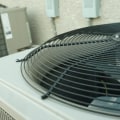
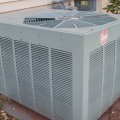
Understanding the fundamentals of air conditioning is essential for homeowners looking to create a comfortable living environment. At its core, an air conditioning unit functions by removing heat and humidity from the indoor air, thereby cooling the space. This process involves several key components, including the compressor, condenser, evaporator, and expansion valve, all working in tandem to circulate refrigerant and maintain a desired temperature. By grasping how these elements interact, you can better appreciate the efficiency and effectiveness of your chosen system.One of the most critical aspects of selecting an air conditioning unit is understanding tonnage.
Tonnage refers to the cooling capacity of an air conditioner, measured in tons, where one ton is equivalent to the ability to remove 12,000 British Thermal Units (BTUs) of heat per hour. This measurement is crucial because it helps determine the appropriate size of the unit for your specific space. A 4-ton air conditioning unit can typically cool areas ranging from 1,600 to 2,200 square feet, making it a popular choice for medium to large homes. However, it’s important to note that factors such as insulation quality, ceiling height, and local climate can influence the actual cooling needs.In addition to tonnage, understanding how air conditioners work can help you make informed decisions about installation and maintenance.
For instance, a well-maintained system not only operates more efficiently but also extends its lifespan. Regular tasks such as changing filters and checking refrigerant levels can significantly impact performance. By familiarizing yourself with these basics, you will be better equipped to maximize both comfort and energy efficiency in your home.
What is a 4-Ton Air Conditioning Unit?
A 4-ton air conditioning unit is a powerful cooling system designed to efficiently regulate indoor temperatures in larger spaces. The term "ton" in air conditioning refers to the unit's ability to remove heat from a designated area, with one ton equating to the removal of 12,000 British Thermal Units (BTUs ) of heat per hour.Therefore, a 4-ton air conditioner has a cooling capacity of approximately 48,000 BTUs per hour.This level of cooling capacity makes a 4-ton unit suitable for spaces ranging from 1,600 to 2,400 square feet , depending on various factors such as insulation quality, ceiling height, and the number of windows. For instance, a well-insulated home with low ceilings may require less cooling power than a poorly insulated space with high ceilings and large windows.When selecting an air conditioning unit, it is crucial to consider the specific needs of your space. An oversized unit can lead to short cycling, where the system turns on and off frequently. This not only reduces energy efficiency but can also lead to increased wear and tear on the unit.
Conversely, an undersized unit will struggle to maintain comfortable temperatures, leading to higher energy bills and discomfort.To determine the appropriate size for your air conditioning needs, it is advisable to conduct a load calculation. This process takes into account various factors such as:
- Square footage of the area
- Insulation levels
- Number and size of windows
- Ceiling height
- Local climate conditions
Calculating Your Cooling Needs
Determining the appropriate cooling capacity for your space is essential for achieving optimal comfort and energy efficiency. To calculate your specific cooling needs, you must consider several factors, including room size, insulation quality, and local climate conditions.1.Room Size
The first step in calculating your cooling needs is to measure the square footage of the area you wish to cool.
A general rule of thumb is that a 4-ton air conditioning unit can effectively cool spaces ranging from 1,600 to 2,200 square feet. However, this estimate can vary based on other influencing factors.
2.Insulation Quality
Insulation plays a critical role in maintaining indoor temperatures. Homes with poor insulation will require more cooling power to offset heat gain from outside. If your home has inadequate insulation in the walls or attic, you may need to adjust your tonnage calculation upwards.
Conversely, well-insulated homes can often get by with less cooling capacity.
3.Ceiling Height
Higher ceilings can also affect your cooling needs. Standard calculations typically assume an 8-foot ceiling height. If your ceilings are taller than this, you may need to increase the tonnage to ensure adequate cooling throughout the space.
4.Climate Considerations
Your local climate significantly impacts how much cooling power you will need. In hotter climates, where temperatures frequently exceed 90°F, a larger unit may be necessary to maintain comfort levels.
On the other hand, if you live in a milder climate, a smaller unit might suffice.
5.Sun Exposure
The amount of sunlight that enters your home can also influence your cooling requirements. Rooms with large windows or those that face direct sunlight will absorb more heat and may require additional cooling capacity compared to shaded areas.
6.Number of Occupants
The number of people regularly occupying a space can also affect its temperature. Each person generates heat; therefore, if you frequently host gatherings or have a large family, consider this when calculating your cooling needs.By taking these factors into account, you can make a more informed decision about whether a 4-ton air conditioning unit is suitable for your home. For precise calculations tailored to your specific situation, consulting with an HVAC professional is highly recommended.
Benefits of a 4-Ton Air Conditioning Unit
Investing in a 4-ton air conditioning unit can significantly enhance your indoor environment, especially in larger spaces.Here are some of the key benefits associated with using a unit of this size:
- Improved Energy Efficiency: A 4-ton air conditioner is designed to cool larger areas more effectively than smaller units. This means it can operate more efficiently, reducing energy consumption and lowering your utility bills. When properly sized for your space, a 4-ton unit minimizes the need for constant cycling on and off, which can waste energy.
- Better Temperature Control: Larger air conditioning units provide superior temperature regulation. With a 4-ton unit, you can maintain a consistent and comfortable temperature throughout your home or office.
This is particularly beneficial in multi-room settings where temperature variations can occur due to sunlight exposure or airflow issues.
- Enhanced Comfort Levels: A 4-ton air conditioning unit can effectively manage humidity levels, which is crucial for comfort. By removing excess moisture from the air, these units help create a more pleasant indoor atmosphere, especially during hot and humid months.
- Longer Lifespan: When appropriately sized and maintained, larger air conditioning units tend to have longer lifespans. A 4-ton unit that operates efficiently will experience less wear and tear compared to smaller units that may struggle to cool the same space.
- Advanced Features: Many modern 4-ton air conditioners come equipped with advanced features such as programmable thermostats, variable speed fans, and smart home integration. These features not only enhance user convenience but also contribute to energy savings by optimizing cooling cycles based on real-time needs.
From improved energy efficiency and better temperature control to enhanced comfort levels and advanced features, investing in a larger unit can lead to significant long-term benefits for homeowners and businesses alike.
Installation Considerations for a 4-Ton Unit
When it comes to installing a 4-ton air conditioning unit, several key considerations can significantly impact the efficiency and longevity of your system. Proper installation is crucial, as it ensures that the unit operates at its optimal capacity while providing comfort throughout your space.Professional Installation BenefitsProfessional Installation Benefits
- Expertise: Hiring a professional HVAC technician guarantees that the installation is performed by someone with the necessary training and experience. They understand the complexities involved in setting up a 4-ton unit, including electrical connections, refrigerant handling, and ductwork integration.
- Correct Sizing: Professionals can accurately assess your home’s cooling needs, ensuring that the 4-ton unit is appropriately sized for your space. This prevents issues related to over or under-sizing, which can lead to inefficiencies and increased energy costs.
- Warranty Protection: Many manufacturers require professional installation to validate warranties.
By opting for a certified technician, you protect your investment and ensure that any future repairs or replacements are covered.
- Safety: Air conditioning systems involve electrical components and refrigerants that can be hazardous if mishandled. Professionals are trained to handle these safely, reducing the risk of accidents or damage.
DIY Installation Tips
If you are considering a DIY approach for installing your 4-ton air conditioner, there are several important tips to keep in mind:
- Research Thoroughly: Before starting, familiarize yourself with the installation manual provided by the manufacturer. Understanding the specific requirements for your model is essential.
- Gather Necessary Tools: Ensure you have all required tools on hand, including wrenches, screwdrivers, and a level. Having everything ready will streamline the process.
- Check Local Codes: Verify local building codes and regulations regarding air conditioning installations.
Compliance is crucial to avoid fines and ensure safety.
- Plan for Ductwork: If your home requires ductwork modifications or additions, plan these changes carefully. Proper airflow is vital for the efficiency of your 4-ton unit.
- Test After Installation: Once installed, run the system to check for any leaks or operational issues. Monitoring performance will help identify any problems early on.
Maintenance Tips for Longevity and Efficiency
To ensure that your 4-ton air conditioning unit operates at peak performance and enjoys a long lifespan, regular maintenance is essential. By adhering to a routine maintenance schedule, homeowners can prevent costly repairs and enhance the efficiency of their cooling systems.Here are some vital maintenance tips to consider:
- Change or Clean Air Filters: One of the simplest yet most effective maintenance tasks is to regularly check and replace or clean the air filters. Clogged filters restrict airflow, making your air conditioner work harder and less efficiently. Aim to check your filters every month and replace them every 1-3 months, depending on usage.
- Inspect the Condenser Coils: The condenser coils, located outside the unit, can accumulate dirt and debris over time. This buildup can hinder heat exchange, leading to reduced efficiency.
Clean the coils at least once a year by gently brushing them or using a garden hose to remove dirt.
- Clear the Drain Line: A blocked drain line can cause water to back up and damage your air conditioning unit. Regularly inspect the drain line for clogs and use a wet/dry vacuum to clear any blockages. This will help maintain proper drainage and prevent water damage.
- Check Refrigerant Levels: Low refrigerant levels can indicate a leak, which can severely impact your unit's performance. Have a professional technician check the refrigerant levels during annual maintenance visits to ensure they are within the manufacturer's specifications.
- Examine Ductwork: Leaky ducts can lead to significant energy loss and reduced cooling efficiency.
Inspect your ductwork for any visible signs of wear or damage, and consider sealing any leaks with duct tape or mastic sealant.
- Schedule Professional Maintenance: While DIY tasks are important, nothing beats professional maintenance. Schedule an annual inspection with a qualified HVAC technician who can perform comprehensive checks, including electrical connections, thermostat calibration, and overall system performance.
Energy Efficiency and Cost Savings with a 4-Ton Unit
When it comes to maximizing the efficiency of a 4-ton air conditioning unit, understanding energy efficiency ratings and implementing smart strategies can lead to significant cost savings. One of the first things to consider is the Energy Star rating.Units that carry this label meet strict energy efficiency guidelines set by the U. S. Environmental Protection Agency. Investing in an Energy Star-rated air conditioner can reduce your energy consumption by up to 15% compared to non-rated models, translating into lower utility bills.In addition to choosing an Energy Star unit, utilizing a smart thermostat can further enhance your energy savings.
Smart thermostats allow you to program your cooling schedule based on your daily routine, ensuring that your air conditioner operates only when needed. For instance, you can set the thermostat to raise the temperature during the day when no one is home and cool down just before you return. This not only saves energy but also maintains a comfortable environment when you need it most.Another effective strategy is to ensure proper insulation in your home. Well-insulated spaces retain cool air more effectively, reducing the workload on your air conditioning unit.
Check for gaps around windows and doors, and consider adding insulation in attics or walls if necessary. Additionally, using energy-efficient windows can minimize heat gain from sunlight, further enhancing your unit's performance.Regular maintenance is crucial for keeping your 4-ton air conditioner running efficiently. Schedule annual professional inspections to clean coils, check refrigerant levels, and ensure all components are functioning optimally. Homeowners can also perform simple tasks such as replacing or cleaning air filters every month during peak usage seasons.
Clogged filters restrict airflow, forcing the unit to work harder and consume more energy.Lastly, consider utilizing ceiling fans in conjunction with your air conditioning system. Fans help circulate cool air throughout your home, allowing you to set your thermostat a few degrees higher without sacrificing comfort. This simple adjustment can lead to noticeable savings on your energy bill.By implementing these strategies—selecting an Energy Star-rated unit, using smart thermostats, ensuring proper insulation, maintaining regular upkeep, and utilizing ceiling fans—you can maximize the efficiency of your 4-ton air conditioning unit while enjoying substantial cost savings.
Common Issues and Troubleshooting Tips
Owning a 4-ton air conditioning unit can significantly enhance your comfort, but like any mechanical system, it may encounter issues over time. Understanding common problems and knowing how to troubleshoot them can save you time and money.Here are some frequent issues that may arise with your air conditioner, along with practical troubleshooting tips.
Common AC Problems
- Insufficient Cooling: If your air conditioner is running but not cooling effectively, it could be due to a dirty air filter, blocked vents, or low refrigerant levels.
- Strange Noises: Unusual sounds such as grinding, squealing, or rattling can indicate mechanical issues or loose components within the unit.
- Frequent Cycling: If the unit turns on and off frequently, it may be oversized for your space or have a malfunctioning thermostat.
- Water Leaks: Puddles around the unit can signal a clogged drain line or a refrigerant leak, both of which require immediate attention.
- Bad Odors: Foul smells can indicate mold growth in the ducts or burnt wiring within the unit.
Troubleshooting Tips
Before calling a professional, you can perform some basic troubleshooting:- Check the Thermostat: Ensure that the thermostat is set to the desired temperature and is functioning correctly. Replace batteries if necessary.
- Inspect Air Filters: A clogged air filter restricts airflow and reduces efficiency. Clean or replace filters every 1-3 months to maintain optimal performance.
- Clear Vents and Registers: Make sure that all vents are unobstructed by furniture or debris to allow for proper airflow.
- Examine Drain Lines: Look for any blockages in the condensate drain line. A wet/dry vacuum can help clear minor clogs.
- Listen for Unusual Sounds: If you hear strange noises, turn off the unit immediately and inspect for loose parts or debris inside the unit.
When to Call a Professional
If you've tried these troubleshooting steps and your air conditioner is still not functioning properly, it may be time to call in an expert.Here are some signs that indicate professional help is needed:
- If you notice refrigerant leaks, as handling refrigerants requires specialized knowledge and equipment.
- If your unit is making persistent strange noises that you cannot identify or resolve.
- If there are electrical issues such as tripped breakers or burnt wires.
- If your air conditioner is older than 10-15 years and experiencing multiple issues, it may be more cost-effective to consider replacement rather than repair.
Environmental Impact of Air Conditioning Units
As the demand for air conditioning units continues to rise, it is essential to consider their environmental impact. While these systems provide much-needed relief from heat, they also contribute significantly to energy consumption and greenhouse gas emissions. Understanding these implications can help homeowners make informed decisions about their cooling solutions.Air conditioning units primarily operate on electricity, which is often generated from fossil fuels. This reliance on non-renewable energy sources leads to increased carbon emissions, contributing to climate change.According to the U. Environmental Protection Agency (EPA), air conditioning accounts for approximately 12% of total electricity use in the United States. This staggering figure highlights the need for more sustainable practices.
Eco-Friendly Cooling Solutions
Fortunately, there are several eco-friendly alternatives and practices that can help mitigate the environmental impact of air conditioning:- Energy-Efficient Units: Investing in an Energy Star-rated air conditioner can significantly reduce energy consumption. These units are designed to use less electricity while providing the same level of cooling.
- Smart Thermostats: Utilizing smart thermostats allows homeowners to optimize their cooling schedules, reducing unnecessary energy use when spaces are unoccupied.
- Regular Maintenance: Keeping your air conditioning unit well-maintained ensures it operates efficiently.
Regularly changing filters and scheduling professional check-ups can enhance performance and longevity.
- Alternative Cooling Methods: Consider using ceiling fans, natural ventilation, or evaporative coolers as supplementary cooling methods. These options can reduce reliance on traditional air conditioning.
Reducing Your Carbon Footprint
To further minimize your carbon footprint while using an air conditioner, consider the following strategies:- Insulation Improvements: Enhancing your home’s insulation can keep cool air in and hot air out, reducing the need for excessive cooling.
- Shade and Landscaping: Planting trees or installing awnings can provide natural shade, lowering indoor temperatures and decreasing reliance on air conditioning.
- Renewable Energy Sources: If possible, invest in solar panels to power your air conditioning unit. This transition to renewable energy can drastically cut down on carbon emissions associated with cooling.
Conclusion: Achieving Optimal Comfort with Your 4-Ton Air Conditioner
In conclusion, achieving optimal comfort in your home with a 4-ton air conditioner is not merely about selecting a unit with the right cooling capacity; it involves a comprehensive understanding of various factors that contribute to efficiency and comfort.Throughout this guide, we have explored essential aspects such as tonnage calculations, installation best practices, and maintenance routines that are crucial for maximizing the performance of your air conditioning system.Choosing the right air conditioning unit tailored to your specific needs is paramount. A 4-ton unit is generally suitable for larger spaces, typically ranging from 1,600 to 2,200 square feet. However, it is vital to consider additional elements such as insulation quality, ceiling height, and the number of windows in your home. These factors can significantly influence the overall effectiveness of your cooling system.Moreover, professional installation cannot be overstated.
Engaging a qualified HVAC technician ensures that your unit is set up correctly, optimizing airflow and efficiency from the outset. Regular maintenance, including filter changes and system checks, will not only prolong the lifespan of your air conditioner but also enhance its energy efficiency, leading to lower utility bills.As we have discussed, an oversized unit can lead to short cycling, which diminishes comfort levels and increases energy consumption. Conversely, an undersized unit may struggle to maintain desired temperatures. Therefore, accurate sizing based on comprehensive assessments is essential.Finally, investing in an Energy Star-rated 4-ton air conditioner can yield significant long-term savings while contributing positively to environmental sustainability.
By reducing energy consumption and emissions, you not only enhance your comfort but also play a part in combating climate change.In summary, by understanding the intricacies of air conditioning systems and making informed decisions regarding installation and maintenance, you can ensure that your 4-ton air conditioner provides optimal comfort and efficiency for years to come.