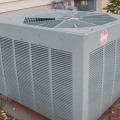
When it comes to maintaining a comfortable living environment in your home, understanding cooling capacity is essential, especially for a space as significant as a 1500 square foot house. The term "cooling capacity" refers to the ability of an air conditioner to remove heat from the indoor air, measured in British Thermal Units (BTUs) per hour. This measurement is crucial because it directly impacts how effectively your air conditioning system can cool your home during the sweltering summer months.Many homeowners underestimate the importance of selecting the right cooling capacity for their air conditioning units. An undersized unit may struggle to maintain a comfortable temperature, leading to increased energy consumption and wear on the system.
Conversely, an oversized unit can lead to short cycling, where the air conditioner turns on and off frequently, which not only wastes energy but also fails to adequately dehumidify the air. Therefore, finding the right balance is key to ensuring both comfort and efficiency.In this article, we will delve deeper into the factors that influence the cooling capacity needed for your 1500 square foot house. From geographical location and climate conditions to architectural features and insulation quality, each element plays a vital role in determining your home's specific cooling requirements. By understanding these factors, you can make informed decisions about your air conditioning needs, ultimately leading to a more comfortable living space and lower energy bills.
What is Cooling Capacity?
Understanding cooling capacity is essential for homeowners looking to optimize their air conditioning systems.In simple terms, cooling capacity refers to the ability of an air conditioner to remove heat from a space within a specific time frame. This capacity is typically measured in British Thermal Units (BTUs), which quantify the amount of heat energy required to raise the temperature of one pound of water by one degree Fahrenheit.When selecting an air conditioner, it’s crucial to consider its cooling capacity, as it directly impacts the unit's efficiency and effectiveness in maintaining a comfortable indoor environment. An air conditioner with insufficient cooling capacity will struggle to lower the temperature adequately, leading to discomfort and increased energy consumption. Conversely, an oversized unit may cool the space too quickly without properly dehumidifying it, resulting in a clammy atmosphere.
How BTUs Relate to Air Conditioner Capacity
The cooling capacity of air conditioners is often expressed in BTUs per hour (BTU/h).For instance, a unit with a capacity of 12,000 BTU/h can remove 12,000 BTUs of heat from your home every hour. This measurement helps homeowners understand how much cooling power they can expect from their air conditioning system.To determine the appropriate BTU rating for your home, several factors must be considered:
- Square Footage: The size of your home plays a significant role in determining the necessary cooling capacity. Generally, a rule of thumb is that you need about 20 BTUs per square foot of living space.
- Ceiling Height: Higher ceilings may require additional BTUs since more air volume needs to be cooled.
- Insulation Quality: Well-insulated homes retain cool air more effectively, potentially allowing for a lower BTU requirement.
- Climate Zone: Homes located in hotter climates will require higher cooling capacities compared to those in cooler regions.
- Sun Exposure: Homes with large windows or those that receive significant sunlight may need additional cooling power.
Determining the Right Cooling Capacity for a 1500 Square Foot House
When it comes to ensuring a comfortable living environment in your 1500 square foot home, understanding the cooling capacity of your air conditioning system is crucial.The right size air conditioner not only enhances comfort but also improves energy efficiency, ultimately saving you money on utility bills.Industry standards suggest that a home of this size typically requires a cooling capacity of around 2.5 to 3 tons. However, this is merely a guideline and should be adjusted based on several key factors:
- Climate: The geographical location of your home plays a significant role in determining the necessary cooling capacity. Homes in hotter, more humid climates will require more powerful units compared to those in cooler regions.
- Insulation: The quality and amount of insulation in your walls and attic can greatly affect how much cooling is needed. Well-insulated homes retain cool air more effectively, potentially allowing for a smaller unit.
- Sun Exposure: Homes with large windows or those that receive direct sunlight for most of the day may need additional cooling capacity to counteract the heat gain.
- Number of Occupants: More people generate more heat.
If your household has several occupants or if you frequently entertain guests, you may need a larger air conditioning unit.
- Appliances and Electronics: The heat generated by appliances and electronics can also contribute to the overall cooling load. If you have many devices running simultaneously, consider this when sizing your air conditioner.
Factors Influencing Cooling Capacity Needs
When it comes to determining the appropriate cooling capacity for your air conditioner, several critical factors come into play.Understanding these elements can help homeowners make informed decisions that ensure optimal comfort and efficiency in their 1500 square foot homes.
Climate Considerations
The climate in which you live is perhaps the most significant factor influencing your air conditioning needs. In regions characterized by high temperatures and humidity, such as the southern United States, a more powerful air conditioning unit is essential. This is because the cooling load increases significantly in hot and humid conditions, requiring a system that can effectively manage both temperature and moisture levels.Conversely, homes located in cooler climates may not require as robust a system. For instance, a 1500 square foot house in a temperate region might function well with a smaller unit, as the demand for cooling is less intense.Therefore, understanding your local climate can guide you in selecting an air conditioner that meets your specific needs.
Insulation Quality
The quality of insulation in your home plays a pivotal role in determining how much cooling capacity you will need. Well-insulated homes retain cool air more effectively, reducing the overall workload on your air conditioning system. If your home has high-quality insulation in the walls and attic, you may find that a smaller unit suffices.On the other hand, homes with poor insulation or older construction may experience significant heat gain, necessitating a larger air conditioning unit to maintain comfortable indoor temperatures. Homeowners should consider upgrading insulation as part of their energy efficiency strategy, which can also lead to lower energy bills.Number of Stories
The layout of your home also affects cooling capacity requirements.A two-story house typically has a higher cooling load than a single-story home due to the increased volume of air that needs to be cooled. Heat rises, so upper levels often become warmer than lower ones, making it essential to account for this when selecting an air conditioner.In multi-story homes, it may be beneficial to install separate units for different levels or use zoning systems that allow for tailored temperature control throughout the house. This approach ensures that each area receives adequate cooling without overworking the system.
Window Size and Orientation
The size and orientation of windows can significantly impact your home's cooling load. Large windows or those that face direct sunlight can lead to increased heat gain during the day, requiring a more powerful air conditioning unit to compensate.Homeowners should consider window treatments or energy-efficient window options to mitigate this effect.In summary, several factors influence the required cooling capacity for your air conditioner. By considering climate conditions, insulation quality, the number of stories in your home, and window characteristics, you can make an informed decision that enhances comfort while optimizing energy efficiency.
The Role of Climate in Cooling Capacity Requirements
When it comes to determining the appropriate cooling capacity for your air conditioning system, understanding the role of climate is crucial. Different regions experience varying temperatures and humidity levels, which significantly influence the cooling load calculations necessary for effective air conditioning.In areas characterized by hot and humid climates, such as the southeastern United States, the demand for cooling is typically higher. The combination of elevated temperatures and high humidity levels means that air conditioners must work harder to maintain a comfortable indoor environment.In these regions, it is essential to consider not only the temperature but also the moisture content in the air. High humidity can make it feel warmer than it actually is, leading to an increased need for cooling capacity.Conversely, in cooler climates, where temperatures are milder and humidity levels are lower, the requirements for air conditioning may be less demanding. Homes in these areas may not need as powerful a unit since the cooling load is reduced. However, it’s important to note that even in cooler regions, there can be occasional heat waves or periods of high humidity that necessitate a more robust air conditioning solution.To illustrate this point further, let’s consider two hypothetical 1500 square foot homes: one located in Miami, Florida, and the other in Seattle, Washington.
The Miami home will likely require a higher tonnage air conditioner due to its hot and humid climate. In contrast, the Seattle home may function adequately with a smaller unit because of its generally cooler and drier conditions.Moreover, humidity plays a significant role in how effectively an air conditioning system can cool a space. Air conditioners not only lower temperature but also dehumidify the air. In humid climates, if an air conditioner is undersized, it may struggle to remove moisture effectively, leading to discomfort even when temperatures are lowered.
This can result in a clammy indoor environment that feels less pleasant.In summary, when selecting an air conditioning unit for your home, it’s vital to take into account your local climate conditions. Understanding whether you live in a hot and humid area or a cooler region will help you make informed decisions about the necessary cooling capacity. Consulting with an HVAC professional who understands regional differences can provide tailored recommendations that ensure your home remains comfortable year-round.
Insulation and Its Impact on Air Conditioning Efficiency
When it comes to maintaining a comfortable indoor environment, the role of insulation cannot be overstated. Proper insulation significantly impacts the efficiency of your air conditioning system, ensuring that cool air remains inside your home while preventing hot air from infiltrating.This not only enhances comfort but also contributes to energy savings.Insulation works by slowing down the transfer of heat between the inside and outside of your home. In a well-insulated house, your air conditioner doesn’t have to work as hard to maintain the desired temperature, which can lead to lower energy bills and extended equipment lifespan.
Types of Insulation and Their Roles
There are several types of insulation materials available, each with its unique properties and benefits:- Fiberglass Insulation: One of the most common types, fiberglass insulation is made from tiny glass fibers. It is effective in reducing heat transfer and is available in batts or loose-fill forms. Properly installed fiberglass insulation can significantly lower cooling costs.
- Foam Board Insulation: This rigid insulation material provides excellent thermal resistance and is often used in walls, roofs, and foundations.
Foam board insulation helps create a continuous thermal barrier, minimizing energy loss.
- Spray Foam Insulation: Known for its superior air sealing capabilities, spray foam expands upon application, filling gaps and cracks that other types may miss. This type of insulation not only improves energy efficiency but also enhances indoor air quality by reducing moisture buildup.
- Cellulose Insulation: Made from recycled paper products, cellulose is an eco-friendly option that provides good thermal performance. It is often treated with fire retardants and can be blown into walls and attics for effective coverage.
The Impact on Energy Efficiency
A well-insulated home can lead to significant energy savings. According to the U.S. Department of Energy, proper insulation can reduce heating and cooling costs by 20% to 30%. This means that investing in quality insulation not only enhances comfort but also pays off in reduced utility bills over time.Moreover, when your air conditioning system operates more efficiently due to effective insulation, it reduces wear and tear on the unit. This can lead to fewer repairs and a longer lifespan for your air conditioning system, ultimately saving you money in the long run.In conclusion, understanding the relationship between insulation and air conditioning efficiency is crucial for homeowners looking to optimize their indoor climate control systems.
By selecting the right type of insulation and ensuring it is properly installed, you can enhance your home's energy efficiency while enjoying a comfortable living environment year-round.
Professional Assessment: Why It Matters
When it comes to ensuring your home remains comfortable during the sweltering summer months, consulting with an HVAC professional is crucial. Many homeowners underestimate the importance of a professional assessment, often relying on general guidelines or personal estimates. However, each home is unique, and a tailored approach is necessary to determine the appropriate cooling capacity for your air conditioning system.One of the most effective methods used by HVAC professionals is the Manual J calculation. This detailed assessment takes into account various factors that influence your home's cooling load, including:- Square Footage: The total area of your home plays a significant role in determining how much cooling capacity is needed.
- Insulation Quality: The type and amount of insulation in your walls and attic can greatly affect how much heat enters or escapes your home.
- Window Size and Orientation: Large windows or those facing direct sunlight can increase heat gain, necessitating a higher cooling capacity.
- Climate Zone: The local climate conditions, such as humidity and temperature extremes, are critical in calculating the necessary tonnage.
- Air Leakage: Any gaps or leaks in your home’s structure can lead to significant energy loss, impacting the efficiency of your air conditioning system.
By considering these variables, HVAC professionals can recommend an air conditioning unit that not only meets your cooling needs but also operates efficiently. An undersized unit will struggle to cool your home, leading to increased energy bills and wear on the system. Conversely, an oversized unit may cool the space too quickly without adequately dehumidifying it, resulting in discomfort.Moreover, having an expert perform this assessment can help identify potential issues before they become costly problems. For instance, if your home has inadequate insulation or significant air leaks, these issues can be addressed before installing a new air conditioning system.
This proactive approach not only enhances comfort but also extends the lifespan of your HVAC equipment.In summary, seeking professional advice for your air conditioning needs is not just beneficial; it’s essential. A thorough Manual J calculation ensures that you invest in the right system for your home’s specific requirements, ultimately leading to better performance and energy efficiency.
Common Mistakes in Choosing Air Conditioner Size
When it comes to selecting the right air conditioner for your home, many homeowners fall into common traps that can lead to significant discomfort and increased energy costs. Understanding these pitfalls is crucial for making an informed decision.Oversizing Your Air Conditioner
One of the most prevalent mistakes is oversizing the air conditioning unit. While it may seem logical to choose a larger unit to ensure quick cooling, this approach can backfire.An oversized air conditioner cools the space too quickly, leading to:
- Increased Humidity: Rapid cooling does not allow the unit enough time to dehumidify the air effectively, resulting in a clammy indoor environment.
- Higher Energy Bills: Larger units consume more energy, leading to inflated utility costs.
- Frequent Cycling: An oversized unit will turn on and off more frequently, causing wear and tear on the system and potentially shortening its lifespan.
Undersizing Your Air Conditioner
On the flip side, undersizing your air conditioner can be equally detrimental. A unit that is too small for your space will struggle to maintain a comfortable temperature, leading to:- Inadequate Cooling: The system will run continuously without achieving the desired temperature, leaving you uncomfortable during hot weather.
- Increased Wear and Tear: Constant operation puts additional strain on the unit, leading to more frequent repairs and a shorter lifespan.
- Higher Energy Costs: An undersized unit works harder than necessary, resulting in higher energy consumption and costs.
Avoiding Common Sizing Mistakes
To avoid these common mistakes in air conditioner sizing, consider the following tips:- Consult a Professional: Always seek advice from an HVAC expert who can perform a detailed assessment of your home’s cooling needs.
- Consider Home Factors: Take into account factors such as insulation quality, window size, and local climate when determining the appropriate size.
- Avoid DIY Calculations: Relying on online calculators or rough estimates can lead to inaccuracies; professional evaluations are more reliable.
Energy Efficiency and Cost Considerations
When it comes to selecting an air conditioner for your 1500 square foot home, understanding the relationship between proper cooling capacity and energy efficiency is crucial. An air conditioning unit that is appropriately sized not only ensures comfort but also plays a significant role in reducing energy consumption and lowering utility bills.Energy Efficiency Ratings
One of the key metrics to consider when evaluating air conditioners is the Seasonal Energy Efficiency Ratio (SEER). This rating measures the cooling output of an air conditioner over a typical cooling season divided by the total electric energy input during the same period.
In simpler terms, a higher SEER rating indicates a more efficient unit. For instance, a unit with a SEER rating of 16 will use less energy to cool your home compared to one with a SEER rating of 13.As of 2023, the minimum SEER rating for new air conditioning units is 14 in most regions, but opting for a model with a higher SEER can lead to substantial savings over time. For example, if you choose a unit with a SEER of 20 instead of one with a SEER of 14, you could save up to 30% on your cooling costs annually.
Cost Savings Through Proper Sizing
Choosing the right size air conditioner is not just about comfort; it directly impacts your energy bills. An undersized unit will struggle to cool your home effectively, leading to longer run times and increased energy consumption.
Conversely, an oversized unit will cycle on and off frequently, which can lead to inefficient operation and higher energy costs.For example, if you install a 3-ton air conditioner in your 1500 square foot house when a 2.5-ton unit would suffice, you may experience higher initial costs and increased operational expenses. Over time, this can add up significantly. In fact, studies show that improperly sized units can lead to energy waste of up to 30%.
Long-Term Benefits
Investing in an air conditioner with the right capacity and a high SEER rating not only enhances comfort but also contributes to long-term savings. By reducing energy consumption, you are not only saving money but also minimizing your environmental footprint.
Additionally, many utility companies offer rebates or incentives for homeowners who invest in energy-efficient systems, further offsetting initial costs.In conclusion, understanding the importance of energy efficiency and proper sizing when selecting an air conditioner for your home can lead to significant cost savings and improved comfort. By focusing on SEER ratings and ensuring that your unit is appropriately sized for your space, you can enjoy a cooler home while keeping your energy bills in check.
<strong>Conclusion</strong>
In summary, understanding the importance of proper cooling capacity for your 1500 square foot house cannot be overstated. The right air conditioner size is crucial not only for maintaining a comfortable indoor environment but also for ensuring the longevity and efficiency of your HVAC system. As we have discussed, several factors influence the cooling requirements of your home, including climate, insulation, and architectural design.Choosing an air conditioning unit that is too small can lead to a range of issues, such as inadequate cooling, increased energy bills, and premature wear on the system.Conversely, opting for a unit that is too large can result in short cycling, where the system turns on and off frequently, leading to inefficient operation and higher humidity levels indoors.To make an informed decision about the appropriate tonnage for your home, consider the following:
- Climate: Assess whether your area experiences extreme heat or humidity, as this will significantly impact your cooling needs.
- Insulation: Evaluate the quality of insulation in your walls and attic. Better insulation can reduce the overall cooling load.
- Window Size and Orientation: Large windows or those facing direct sunlight can increase heat gain, necessitating a more powerful air conditioning unit.
- Home Layout: The number of stories and open spaces in your home can affect airflow and cooling efficiency.
A well-chosen air conditioning system will provide reliable performance for years to come, making it a wise decision for any homeowner.