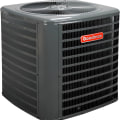
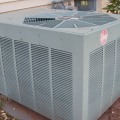
When it comes to maintaining a comfortable living environment, understanding air conditioner sizing is crucial. Many homeowners underestimate the significance of selecting the right size unit for their space, often leading to inefficient cooling and increased energy costs. An air conditioner that is too small will struggle to cool your home effectively, while one that is too large can lead to rapid cycling, which not only wastes energy but also fails to adequately dehumidify the air. This delicate balance is essential for achieving optimal comfort and efficiency.The capacity of an air conditioner is measured in British Thermal Units (BTUs), which indicates how much heat the unit can remove from a space in one hour.
Understanding this measurement is key to determining the appropriate size for your home. Factors such as the square footage of your living area, ceiling height, insulation quality, and even the number of windows can all influence the required BTU rating. For instance, a well-insulated home with fewer windows may require a lower BTU rating compared to a larger space with many windows that allow heat to enter.Moreover, the importance of proper air conditioner sizing extends beyond mere comfort; it also impacts your energy bills and the longevity of your unit. An oversized air conditioner may cool your home quickly but will not run long enough to remove humidity effectively, leading to a clammy atmosphere.
Conversely, an undersized unit will work overtime, leading to wear and tear that can shorten its lifespan. Therefore, understanding how to assess your home's specific needs is vital in making an informed decision about which air conditioner will serve you best.
Why Size Matters: The Consequences of Incorrect Sizing
Choosing the right size air conditioner is crucial for maintaining a comfortable and energy-efficient home. When an air conditioner is either too large or too small, it can lead to several negative consequences that affect both your comfort and your wallet.Consequences of an Oversized Air Conditioner
Installing an air conditioner that is too large for your space can result in a range of issues:- Increased Energy Consumption: An oversized unit cools the space too quickly, causing it to cycle on and off frequently. This short cycling not only wastes energy but also leads to higher utility bills.
- Humidity Problems: Air conditioners also dehumidify the air as they cool.
A unit that is too large may not run long enough to effectively remove humidity, leaving your home feeling clammy and uncomfortable.
- Uneven Cooling: Larger units can create hot and cold spots throughout your home. While some areas may feel frigid, others may remain warm, leading to an inconsistent indoor climate.
- Increased Wear and Tear: The frequent cycling of an oversized air conditioner can lead to more wear on the system, resulting in a shorter lifespan and more frequent repairs.
Consequences of an Undersized Air Conditioner
On the other hand, selecting an air conditioner that is too small for your home can also have detrimental effects:- Inadequate Cooling: An undersized unit will struggle to maintain the desired temperature, leaving you feeling hot and uncomfortable during peak heat periods.
- Increased Energy Bills: To compensate for its inability to cool effectively, a smaller unit will run continuously, leading to higher energy consumption and increased utility costs.
- System Overload: Running constantly can cause the system to overheat and fail prematurely, resulting in costly repairs or replacements.
- Poor Indoor Air Quality: An undersized air conditioner may not adequately filter the air or control humidity levels, leading to potential health issues due to poor indoor air quality.
Key Factors to Consider When Sizing an Air Conditioner
When it comes to selecting the right size air conditioner for your home, several key factors must be taken into account.Understanding these elements can help ensure that you choose an air conditioning unit that not only cools your space effectively but also operates efficiently, saving you money on energy bills.
- Home Size: The most significant factor in determining the size of your air conditioner is the square footage of your home. Generally, the larger the area you need to cool, the more powerful the air conditioning unit should be. To get a rough estimate, you can use the rule of thumb that suggests about 20 BTUs (British Thermal Units) per square foot of living space. However, this is just a starting point; other factors will also play a role.
- Insulation Quality: The quality of your home’s insulation greatly affects how much cooling power you need.
Homes with poor insulation will lose cool air more quickly, requiring a larger unit to maintain a comfortable temperature. Conversely, well-insulated homes retain cool air more effectively, which may allow for a smaller air conditioner. Consider factors such as wall thickness, window quality, and whether your attic is insulated.
- Local Climate: The climate in your area is another crucial consideration. If you live in a region with extremely hot summers, you may need a more powerful air conditioner compared to someone in a milder climate.
Additionally, humidity levels can impact cooling needs; high humidity can make it feel warmer than it actually is, necessitating a larger unit to achieve comfort.
- Sun Exposure: The amount of sunlight your home receives can also influence the size of the air conditioner required. Homes that are heavily shaded will generally require less cooling power than those that are exposed to direct sunlight for most of the day. Consider the orientation of your home and any landscaping that may provide shade.
- Number of Occupants: The number of people living in your home can affect cooling needs as well. More occupants generate additional heat and humidity, which means you may need a larger unit to maintain comfort levels.
As a general guideline, add about 600 BTUs for each additional person beyond two who regularly occupy the space.
Calculating the Right Size for Your Air Conditioner
Determining the appropriate size for your air conditioner is crucial for ensuring optimal performance and energy efficiency. The size of an air conditioner is measured in BTUs (British Thermal Units), which indicates its cooling capacity. To find the right BTU rating for your home, follow these steps:- Measure Your Space: Start by calculating the square footage of the area you want to cool.
Measure the length and width of each room and multiply these figures to get the total square footage. For example, a room that is 15 feet by 20 feet has a total area of 300 square feet.
- Consider Ceiling Height: Standard calculations assume an 8-foot ceiling. If your ceilings are higher, you may need to adjust your BTU requirements. For every foot above 8 feet, add an additional 10% to your BTU calculation.
- Account for Sunlight: The amount of sunlight a room receives can significantly impact cooling needs.
If a room is heavily shaded, you can reduce the BTUs by about 10%. Conversely, if it receives full sun, increase the BTUs by 10-20% depending on exposure.
- Evaluate Room Usage: Consider how many people typically occupy the space. Each additional person adds approximately 600 BTUs to your requirement. If the room is used for cooking or has heat-generating appliances, factor in an extra 400-500 BTUs.
- Use a Sizing Chart: Once you have gathered all this information, refer to a sizing chart that correlates square footage with BTU requirements.
For instance, a room of 300 square feet generally requires around 7,000-8,000 BTUs.
- The Manual J Calculation: This is a comprehensive method used by HVAC professionals that considers factors like insulation, windows, and local climate conditions to provide a precise BTU requirement.
- The Rule of Thumb Method: A simpler approach where you estimate about 20 BTUs per square foot of living space. While this method is quick, it may not account for specific variables unique to your home.
Using the Manual J Calculation Method
When it comes to selecting the right size air conditioner for your home, the Manual J calculation method stands out as the gold standard among HVAC professionals. This comprehensive approach takes into account various factors that influence your home’s cooling requirements, ensuring that you choose an air conditioning unit that is neither too large nor too small.The Manual J calculation involves a detailed analysis of your home’s characteristics, including:- Square Footage: The total area of your home is a primary factor in determining the cooling load. Larger homes typically require more cooling capacity.
- Insulation Levels: The quality and amount of insulation in your walls, attic, and floors significantly affect how much heat enters or escapes your home.
- Window Types and Sizes: Windows can be a major source of heat gain.
The type, size, and orientation of windows will influence the overall cooling needs.
- Climate Zone: The local climate plays a crucial role in determining how much cooling is necessary. Homes in hotter climates will require more powerful air conditioning systems.
- Occupancy: The number of people living in the home can impact the cooling load, as each person generates heat.
- Appliances and Electronics: Devices such as ovens, computers, and televisions also contribute to heat generation within the home.
This precision helps prevent common issues associated with improperly sized units, such as:
- Short Cycling: An oversized air conditioner may cool the space too quickly without adequately dehumidifying it, leading to discomfort.
- Inefficiency: A unit that is too small will struggle to maintain comfortable temperatures, resulting in higher energy bills and increased wear and tear.
- Poor Air Quality: Inadequate cooling can lead to humidity issues, promoting mold growth and reducing indoor air quality.
Common Myths About Air Conditioner Sizing
When it comes to selecting an air conditioner, many homeowners fall prey to common myths that can lead to poor decisions. Understanding the truth behind these misconceptions is crucial for making an informed choice that ensures comfort and efficiency in your home.- Myth 1: Bigger is Always Better
One of the most prevalent myths is that a larger air conditioner will cool your home more effectively. In reality, an oversized unit can lead to short cycling, where the system turns on and off frequently.This not only wastes energy but also prevents proper humidity control, resulting in a clammy indoor environment.
- Myth 2: All Air Conditioners Are the Same
Another misconception is that all air conditioners provide the same level of cooling efficiency. Different models come with varying SEER (Seasonal Energy Efficiency Ratio) ratings, which indicate their energy efficiency. Choosing a unit with a higher SEER rating can significantly reduce your energy bills while providing adequate cooling. - Myth 3: You Can Estimate Size Based on Square Footage Alone
While square footage is a factor in determining the right size air conditioner, it’s not the only consideration. Factors such as ceiling height, insulation quality, and the number of windows can all impact cooling needs.A professional load calculation is essential for accurate sizing.
- Myth 4: Air Conditioners Only Cool
Many people believe that air conditioners are solely for cooling spaces. However, modern units often come with heating capabilities as well, especially heat pumps. This dual functionality can be beneficial in regions with mild winters. - Myth 5: Maintenance Isn’t Necessary
Some homeowners think that once they install an air conditioner, it requires no further attention. Regular maintenance is vital for ensuring optimal performance and longevity of your unit.Neglecting routine checks can lead to decreased efficiency and costly repairs.
Choosing Between Central and Window Air Conditioners
When it comes to selecting the right air conditioner for your home, understanding the differences between central and window air conditioners is crucial. Each type has its own set of advantages and disadvantages, which can significantly impact your comfort and energy efficiency.Central Air Conditioners
- Cooling Capacity: Central air conditioning systems are designed to cool entire homes. They typically have a higher cooling capacity, measured in BTUs (British Thermal Units), making them suitable for larger spaces.
- Installation: Installing a central air conditioning system requires ductwork, which can be a significant investment if your home isn’t already equipped.
However, once installed, they provide consistent cooling throughout the house.
- Energy Efficiency: Central systems often come with higher SEER (Seasonal Energy Efficiency Ratio) ratings, meaning they can be more energy-efficient over time compared to window units.
- Noise Levels: Central air conditioners operate quietly since the compressor is located outside the home, allowing for a more peaceful indoor environment.
Window Air Conditioners
- Cooling Capacity: Window units are typically best suited for single rooms or small apartments. Their cooling capacity is lower than that of central systems, making them ideal for targeted cooling.
- Installation: One of the biggest advantages of window air conditioners is their ease of installation. Most models can be set up without professional help, making them a cost-effective option for renters or those looking for temporary solutions.
- Energy Efficiency: While modern window units can be energy-efficient, they may not match the efficiency of central systems when cooling larger areas. However, they can be more economical for smaller spaces.
- Noise Levels: Window air conditioners tend to be noisier than central systems since the compressor is located within the room.
This can be a consideration if you’re sensitive to noise while sleeping or working.
Choosing the Right Option
Your choice between a central and window air conditioner should depend on several factors:
- Your Home Size: For larger homes, a central air conditioning system may be more effective. Conversely, if you live in a smaller space or only need to cool specific rooms, a window unit could suffice.
- Your Budget: Consider both initial costs and long-term energy expenses. While central systems require a higher upfront investment, they may save you money in energy bills over time.
- Your Lifestyle: If you frequently move or rent your home, window units offer flexibility without the commitment of a central system.
FAQs About Air Conditioner Sizing
When it comes to selecting the right size air conditioner, homeowners often have numerous questions. Understanding these common queries can help clarify the process and ensure you make an informed decision.What happens if my air conditioner is too small?
If your air conditioner is undersized for your home, it will struggle to maintain a comfortable temperature, leading to increased energy consumption and higher utility bills.Additionally, an undersized unit may run continuously, causing unnecessary wear and tear, which can shorten its lifespan.
What are the signs that my air conditioner is too large?
While a larger air conditioner might seem advantageous, it can lead to several issues:- Short cycling: This occurs when the unit cools the space too quickly and shuts off before completing a full cycle. This not only reduces efficiency but can also lead to humidity problems.
- Inconsistent temperatures: A unit that is too large may cool some areas of your home while leaving others uncomfortably warm.
- Increased energy costs: Larger units consume more energy than necessary, leading to inflated electricity bills.
How do I determine the right size air conditioner for my home?
The best way to determine the appropriate size for your air conditioner is to perform a load calculation. This calculation considers various factors such as:- The square footage of your home
- The number of windows and doors
- The insulation quality
- The local climate
- The number of occupants in the home
Can I adjust my air conditioner settings if it's not cooling effectively?
If you notice that your air conditioner isn't cooling as expected, first check the thermostat settings. Ensure it's set to a lower temperature than the current room temperature.If it still doesn't cool effectively, consider checking for:
- Dirty filters that may restrict airflow
- Blocked vents or ducts
- Refrigerant levels that may be low
Conclusion: Making an Informed Decision on Your Air Conditioner Size
In conclusion, selecting the right size air conditioner for your home is a critical decision that can significantly impact your comfort, energy efficiency, and overall satisfaction with your cooling system. Throughout this article, we have explored various factors that influence the sizing of an air conditioning unit, emphasizing that a one-size-fits-all approach is not effective.To recap, here are the key points to consider when determining the appropriate size for your air conditioner:- Understanding BTUs: The cooling capacity of an air conditioner is measured in British Thermal Units (BTUs). It’s essential to choose a unit with the right BTU rating for your space to ensure optimal performance.
- Room Size: The dimensions of the room play a significant role in sizing. Larger rooms require units with higher BTU ratings, while smaller spaces can be adequately cooled with less powerful units.
- Insulation and Sunlight: Homes with poor insulation or those that receive a lot of direct sunlight may require a more powerful air conditioner.
Evaluating these factors can help you avoid under-sizing or over-sizing your unit.
- Climate Considerations: Your local climate also affects the size of the air conditioner. Warmer regions may necessitate larger units to maintain comfortable indoor temperatures.
- Professional Assessment: Consulting with an HVAC professional can provide valuable insights and ensure that you select a unit tailored to your specific needs.