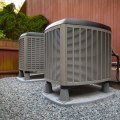
To fully appreciate the significance of properly sizing your air conditioning unit, it is essential to first understand the fundamental principles of how air conditioning systems operate. At its core, an air conditioner is designed to remove heat and humidity from the indoor air, creating a comfortable environment for occupants. This process involves several key components that work together seamlessly to achieve effective cooling.Air conditioning systems primarily rely on a refrigeration cycle, which consists of four main stages: compression, condensation, expansion, and evaporation. The cycle begins when the compressor compresses refrigerant gas, raising its temperature and pressure.
This high-pressure gas then flows into the condenser coils, where it releases heat to the outside air and transforms into a liquid state. Next, the refrigerant passes through an expansion valve, where it experiences a drop in pressure and temperature. Finally, as the refrigerant enters the evaporator coils inside your home, it absorbs heat from the indoor air, cooling it down before circulating it back into the living space.Understanding these basic components—compressor, condenser, expansion valve, and evaporator—is crucial for homeowners. Each part plays a vital role in ensuring that your air conditioning system operates efficiently.
For instance, if any component is malfunctioning or improperly sized, it can lead to decreased performance and increased energy consumption. Moreover, factors such as insulation quality, window placement, and even the number of occupants can influence how effectively an air conditioner cools a space.In summary, grasping the basics of how air conditioners function not only enhances your knowledge but also underscores the importance of selecting the right size unit for your home. An appropriately sized air conditioning system will not only provide optimal cooling but also contribute to energy efficiency and cost savings in the long run.
Why Proper Sizing Matters
Choosing the right size for your air conditioning unit is not merely a matter of convenience; it is a critical factor that directly impacts both performance and energy efficiency. When an air conditioner is properly sized, it can effectively maintain a comfortable indoor environment while minimizing energy consumption.Conversely, both oversized and undersized units can lead to a range of issues that compromise their effectiveness.
Effects of an Oversized Air Conditioner
- Increased Energy Costs: An oversized air conditioner cools the space too quickly, leading to frequent on-and-off cycling. This not only wastes energy but also results in higher utility bills.
- Uneven Cooling: Larger units often fail to distribute cool air evenly throughout the home. This can create hot and cold spots, making it difficult to achieve a consistent temperature.
- Humidity Issues: Air conditioners also dehumidify the air as they cool. An oversized unit may cool the air too quickly without adequately removing moisture, leading to a clammy indoor environment.
- Shortened Lifespan: The constant cycling of an oversized unit can lead to increased wear and tear, ultimately shortening its lifespan and necessitating more frequent repairs or replacements.
Effects of an Undersized Air Conditioner
- Inadequate Cooling: An undersized unit struggles to meet the cooling demands of your home, resulting in discomfort during hot weather.
It may run continuously without ever reaching the desired temperature.
- Increased Wear and Tear: Constantly working at maximum capacity can lead to premature failure of components, increasing maintenance costs and reducing the overall lifespan of the unit.
- Poor Air Quality: An undersized air conditioner may not effectively filter and circulate air, leading to poor indoor air quality and potential health issues.
- Higher Energy Bills: While it may seem counterintuitive, an undersized unit can lead to higher energy costs due to its inefficiency in cooling the space.
Calculating the Right Size for Your Space
Determining the right size for your air conditioning unit is crucial for achieving optimal performance and energy efficiency. The process involves calculating the cooling capacity needed for your specific space, which is typically measured in BTUs (British Thermal Units).Understanding how to size an air conditioner correctly can save you money on energy bills and enhance your comfort at home.To begin, a common rule of thumb is to allocate approximately 20 BTUs per square foot of living space. However, this is a general guideline and may not account for various factors that can influence your cooling needs. Here’s a more detailed approach to calculating the appropriate size:
- Measure Your Space: Start by measuring the total square footage of the area you want to cool. For example, if you have a room that is 15 feet by 20 feet, the total area would be 300 square feet (15 x 20 = 300).
- Calculate Basic BTUs: Multiply the square footage by 20 BTUs.
In our example, 300 square feet x 20 BTUs = 6,000 BTUs.
- Adjust for Additional Factors: Consider other elements that may affect your cooling needs:
- Ceiling Height: If your ceilings are higher than the standard 8 feet, you may need to increase your BTU calculation.
- Sun Exposure: Rooms that receive a lot of sunlight may require an additional 10% more BTUs.
- Occupancy: For each additional person over two in a room, add about 600 BTUs.
- Appliances and Electronics: If you have heat-generating appliances or electronics in the room, consider adding extra BTUs to compensate.
- Total Your Adjustments: After making adjustments based on these factors, sum them up to find your final BTU requirement.
Factors Influencing Air Conditioner Size
When it comes to selecting the right size for your air conditioning unit, several critical factors come into play.Understanding these elements can help ensure that you choose an air conditioner that not only meets your cooling needs but also operates efficiently and effectively.
Climate Considerations
The climate in which you live is one of the most significant factors influencing the size of your air conditioning unit. Regions with hotter temperatures and higher humidity levels will require more powerful units to maintain comfortable indoor conditions. For instance, a home located in a desert climate may need a larger air conditioner compared to a home in a temperate zone. Additionally, seasonal temperature fluctuations should be taken into account; areas with extreme summer heat will necessitate a more robust cooling system.Home Insulation Quality
The quality of insulation in your home plays a vital role in determining the appropriate size of your air conditioning unit.Well-insulated homes retain cool air more effectively, allowing for smaller units to perform adequately. Conversely, homes with poor insulation may experience significant heat gain, requiring larger units to compensate for the loss of cool air. Factors such as the type of insulation used, window quality, and even the presence of thermal breaks can all impact how much cooling power is necessary.
Home Layout and Design
The layout and design of your home also influence the sizing of your air conditioning system. Open floor plans may allow for better airflow and distribution of cool air, potentially reducing the need for a larger unit.In contrast, homes with many small rooms or multiple levels may require additional cooling capacity to ensure that every area is adequately cooled. Furthermore, the orientation of your home—whether it faces north, south, east, or west—can affect how much sunlight enters and heats up your living spaces throughout the day.
Occupancy and Usage Patterns
The number of occupants in your home and their daily activities can also impact the size of the air conditioning unit needed. More people generate additional heat, which can increase the cooling load on your system. If you frequently host gatherings or have large families, you may need a larger unit to accommodate these variations in occupancy.In summary, when determining the right size for your air conditioning unit, it is essential to consider climate conditions, insulation quality, home layout, and occupancy patterns.By taking these factors into account, you can make an informed decision that ensures optimal performance and energy efficiency for your cooling system.
Common Misconceptions About Air Conditioner Sizing
When it comes to selecting the right air conditioning unit, many homeowners fall prey to common misconceptions that can lead to poor decisions. Understanding these myths is crucial for ensuring optimal performance and energy efficiency.Myth 1: Bigger is Always Better
A prevalent belief is that a larger air conditioning unit will cool a space more effectively. However, this is far from the truth. An oversized air conditioner can lead to:
- Increased Energy Costs: Larger units cycle on and off more frequently, leading to higher energy consumption.
- Uneven Cooling: Oversized units often cool spaces too quickly, resulting in hot and cold spots throughout the home.
- Shortened Lifespan: The constant cycling can wear out components faster, leading to more frequent repairs or replacements.
Myth 2: All Air Conditioners Are Created Equal
Many homeowners assume that all air conditioning units have the same efficiency and performance levels.
In reality, there are significant differences in:
- SEER Ratings: The Seasonal Energy Efficiency Ratio (SEER) measures cooling output during a typical cooling season divided by the total electric energy input. Higher SEER ratings indicate better efficiency.
- Technology: Modern units may feature advanced technologies such as variable-speed compressors and smart thermostats that enhance performance and efficiency.
Myth 3: You Can Size an AC Unit Based on Square Footage Alone
While square footage is a factor in determining the appropriate size of an air conditioner, it is not the only consideration. Other elements include:
- Insulation Quality: Homes with poor insulation may require a larger unit to compensate for heat loss or gain.
- Climate Zone: The local climate significantly impacts cooling needs; hotter regions may require more powerful units.
- Window Orientation and Size: Large windows or those facing direct sunlight can increase cooling demands.
Myth 4: You Don’t Need Professional Help for Sizing
A common mistake is believing that homeowners can accurately size their air conditioning units without professional assistance. Consulting with an HVAC expert ensures that all factors are considered, leading to a more accurate sizing process.
Professionals use detailed calculations, such as Manual J load calculations, to determine the best fit for your home.By debunking these myths and understanding the complexities of air conditioner sizing, homeowners can make informed decisions that lead to improved comfort and energy efficiency in their homes.
Consulting with HVAC Professionals
When it comes to selecting the right size for your air conditioning unit, consulting with HVAC professionals can be invaluable. These experts bring a wealth of knowledge and experience that can help ensure your air conditioner operates efficiently and effectively. Here are some key benefits of seeking professional advice:- Accurate Load Calculations: HVAC professionals utilize advanced tools and methodologies to perform precise load calculations. This process considers various factors such as your home’s square footage, insulation quality, window sizes, and local climate conditions.
By obtaining an accurate assessment, you can avoid the pitfalls of both oversized and undersized units.
- Energy Efficiency Insights: An experienced HVAC technician can provide insights into energy-efficient models that suit your specific needs. They can recommend systems that not only meet your cooling requirements but also help reduce energy consumption, leading to lower utility bills.
- Installation Expertise: Proper installation is crucial for optimal performance. HVAC professionals are trained to install air conditioning units correctly, ensuring that all components function together seamlessly. This reduces the risk of future issues and enhances the longevity of your system.
- Maintenance Recommendations: A qualified HVAC expert can offer guidance on routine maintenance practices that will keep your air conditioning unit running smoothly.
Regular maintenance is essential for maintaining efficiency and prolonging the lifespan of your system.
- Credentials: Ensure the technician is licensed and certified in HVAC systems. This guarantees they have undergone the necessary training and adhere to industry standards.
- Experience: Look for professionals with a proven track record in sizing and installing air conditioning units.
Experience often correlates with expertise.
- Customer Reviews: Check online reviews and testimonials from previous clients. Positive feedback can indicate reliability and quality service.
- Comprehensive Services: Choose a professional who offers a full range of services, including installation, maintenance, and emergency repairs. This ensures you have a go-to expert for all your HVAC needs.
Energy Efficiency Ratings and Their Importance
When selecting an air conditioning unit, understanding energy efficiency ratings is crucial for making an informed decision.One of the most significant metrics to consider is the Seasonal Energy Efficiency Ratio (SEER). This rating measures the cooling output of an air conditioner over a typical cooling season divided by the total electric energy input during that same period. In simpler terms, a higher SEER rating indicates a more efficient air conditioning unit.For instance, modern air conditioners typically have SEER ratings ranging from 13 to 21, with units above 16 being considered highly efficient. The U.
S. Department of Energy has set minimum SEER ratings for different regions, which means that any unit you purchase must meet or exceed these standards. Choosing a unit with a higher SEER can lead to significant savings on your energy bills over time.
Why Energy Efficiency Matters
The importance of energy efficiency in cooling systems cannot be overstated. Not only does it affect your monthly utility costs, but it also has broader implications for environmental sustainability.Air conditioning units that consume less energy contribute to lower greenhouse gas emissions, making them a more eco-friendly choice.Moreover, energy-efficient units often come with advanced features such as variable-speed compressors and smart thermostats, which enhance their performance and adaptability to changing conditions. These features allow the system to adjust its cooling output based on real-time demand, further optimizing energy use.
Long-Term Cost Savings
Investing in an air conditioner with a high SEER rating may involve a higher upfront cost; however, the long-term savings can be substantial. For example, a unit with a SEER of 20 can save you hundreds of dollars annually compared to one with a SEER of 13. Over the lifespan of the unit, these savings can offset the initial investment and provide additional financial benefits.In conclusion, when choosing an air conditioning unit, pay close attention to its energy efficiency ratings, particularly the SEER. A higher rating not only ensures better performance and comfort but also translates into lower energy costs and a reduced environmental footprint.By prioritizing energy efficiency in your selection process, you can enjoy a cooler home while also making a responsible choice for the planet.
Maintaining Your Air Conditioning Unit for Optimal Performance
To ensure your air conditioner operates at peak efficiency and longevity, regular maintenance is essential. Neglecting this aspect can lead to decreased performance, higher energy bills, and even costly repairs. Here are some effective air conditioner maintenance tips to keep your unit running smoothly:- Change or Clean Filters Regularly: One of the simplest yet most impactful maintenance tasks is to check and replace or clean the air filters. Clogged filters restrict airflow, making your system work harder and less efficiently.
Aim to check your filters every month and replace them every 1-3 months, depending on usage.
- Inspect the Condenser Coils: The outdoor unit's condenser coils can accumulate dirt and debris over time. This buildup can hinder heat exchange, leading to overheating and reduced efficiency. Clean the coils at least once a year by gently brushing them or using a garden hose to remove dirt.
- Clear the Drain Line: A blocked drain line can cause water damage and increase humidity levels in your home. Regularly inspect the drain line for clogs and use a wet/dry vacuum to clear any blockages.
- Check Refrigerant Levels: Low refrigerant levels can indicate a leak, which can severely impact your air conditioner's performance.
If you suspect low refrigerant, contact a professional technician to assess and refill it as necessary.
- Inspect Ductwork: Leaky ducts can lead to significant energy loss. Inspect your ductwork for any visible signs of wear or damage, and consider sealing any leaks with duct tape or mastic sealant.
- Schedule Professional Maintenance: While DIY maintenance is crucial, having a professional HVAC technician perform an annual inspection is equally important. They can identify potential issues before they become major problems, ensuring your system runs efficiently.
By following these maintenance tips and staying proactive about care, you can enjoy a comfortable indoor environment while minimizing energy costs.
Conclusion: The Key Takeaways on Air Conditioner Sizing
In summary, the significance of properly sizing your air conditioner cannot be overstated. The right size unit is crucial for achieving optimal performance and energy efficiency, which ultimately translates to comfort and cost savings for homeowners.Here are the key takeaways to consider:- Understanding BTUs: The cooling capacity of an air conditioning unit is measured in BTUs (British Thermal Units). Knowing how many BTUs your space requires is essential for selecting the right unit.
- Impact of Size: An oversized air conditioner may cool your home quickly but can lead to uneven temperatures and increased energy costs. Conversely, an undersized unit will struggle to maintain a comfortable environment, leading to wear and tear.
- Factors Influencing Sizing: Several factors affect the appropriate size of an air conditioning unit, including the square footage of your home, ceiling height, insulation quality, and local climate conditions.
Each of these elements plays a role in determining the cooling load.
- Consulting Professionals: Engaging with an HVAC expert can provide valuable insights into the specific needs of your home. They can perform detailed calculations to ensure that you select a unit that meets your cooling requirements without excess capacity.
- Long-Term Benefits: Investing in the correct size air conditioning unit not only enhances comfort but also improves energy efficiency. This leads to lower utility bills and a reduced environmental footprint over time.