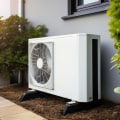
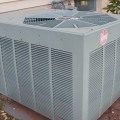
Air conditioning is an essential component of modern living, providing comfort and relief from the sweltering heat during the warmer months. Understanding how air conditioners function and their cooling capacity is crucial for homeowners and businesses alike. At the heart of this understanding lies the concept of cooling capacity, which determines how effectively an air conditioning unit can maintain a comfortable indoor environment. This section will delve into the fundamentals of air conditioning systems, focusing on the significance of cooling capacity and its implications for selecting the right unit for your space.Cooling capacity is typically measured in British Thermal Units (BTUs) per hour, which quantifies the amount of heat an air conditioner can remove from a designated area within that timeframe.
For instance, a 2-ton AC unit has a cooling capacity of approximately 24,000 BTUs per hour, making it suitable for spaces ranging from 900 to 1,400 square feet. However, this range can vary based on several factors, including insulation quality, room dimensions, and local climate conditions. Understanding these variables is essential for optimizing your air conditioning system's performance.As we explore the intricacies of a 2-ton AC unit's cooling capacity, it is vital to grasp how air conditioners operate. These systems utilize a refrigerant to absorb heat from inside your home and expel it outdoors, creating a cooler indoor atmosphere.
The efficiency and effectiveness of this process hinge on selecting an appropriately sized unit for your specific needs. Inadequate cooling capacity can lead to discomfort and increased energy costs, while an oversized unit may cycle on and off too frequently, leading to wear and tear.In summary, understanding the basics of air conditioning and cooling capacity is fundamental for anyone looking to invest in or maintain an air conditioning system. By familiarizing yourself with these concepts, you can make informed decisions that enhance your comfort while optimizing energy efficiency in your home or business.
What is Cooling Capacity?
Cooling capacity is a critical concept in the realm of air conditioning, as it directly influences the effectiveness and efficiency of an AC unit. In simple terms, cooling capacity refers to the amount of heat an air conditioner can remove from a space within a specific time frame, typically measured in British Thermal Units (BTUs) per hour.Understanding this measurement is essential for selecting the right air conditioning system for your needs.
What are BTUs?
BTU, or British Thermal Unit, is a unit of measurement that quantifies the amount of heat required to raise the temperature of one pound of water by one degree Fahrenheit. In the context of air conditioning, BTUs indicate how much heat an AC unit can extract from the air in your home. For instance, a unit with a cooling capacity of 12,000 BTUs can remove 12,000 BTUs of heat from your living space every hour.
How is Cooling Capacity Measured?
The cooling capacity of an air conditioner is typically expressed in BTUs per hour. To determine the appropriate cooling capacity for a given space, several factors must be considered:
- Room Size: The larger the room, the higher the BTU requirement.
A general guideline is to allocate about 20 BTUs for each square foot of living space.
- Insulation Quality: Well-insulated homes retain cool air more effectively, potentially reducing the required cooling capacity.
- Ceiling Height: Rooms with higher ceilings may require additional cooling capacity due to the increased volume of air that needs to be cooled.
- Climate: In hotter climates, higher cooling capacities are necessary to maintain comfortable indoor temperatures.
Understanding the 2-Ton AC Unit
When considering an air conditioning system, the 2-ton AC unit stands out as a popular choice for many homeowners. Understanding its cooling capacity and the space it can effectively manage is crucial for ensuring comfort during the warmer months.A 2-ton AC unit has a cooling capacity of approximately 24,000 BTUs (British Thermal Units) per hour. This measurement indicates how much heat the unit can remove from your home in one hour.The term "ton" in air conditioning refers to the amount of heat required to melt one ton of ice in a 24-hour period, which translates to this specific cooling capacity.Typically, a 2-ton AC unit is suitable for spaces ranging from 900 to 1,400 square feet. However, several factors can influence this range:
- Insulation: Well-insulated homes retain cool air more effectively, allowing a 2-ton unit to cool larger areas efficiently.
- Ceiling Height: Rooms with higher ceilings may require additional cooling capacity due to the increased volume of air that needs to be cooled.
- Climate: In hotter climates, a 2-ton unit may struggle to maintain comfortable temperatures in larger spaces compared to milder climates.
Calculating the Right Size AC Unit for Your Space
Choosing the right size air conditioner for your space is crucial for achieving optimal comfort and energy efficiency.An undersized unit will struggle to cool your room, leading to higher energy bills and inadequate cooling, while an oversized unit can lead to short cycling, which reduces its efficiency and lifespan. To ensure you select the appropriate air conditioning unit, follow these steps for accurate sizing.
Understanding BTUs
The cooling capacity of air conditioners is measured in British Thermal Units (BTUs). One BTU is defined as the amount of heat required to raise the temperature of one pound of water by one degree Fahrenheit. For air conditioning, this measurement indicates how much heat the unit can remove from a space in one hour.When sizing an air conditioner, it’s essential to calculate the total BTUs needed based on your room's dimensions and specific conditions.
Calculating Room Size
To determine the appropriate size of your air conditioner, start by measuring the room where it will be installed. Use the following formula:- Length (in feet) x Width (in feet) = Square Footage
- 20 x 15 = 300 square feet
BTU Calculation
Once you have the square footage, you can estimate the required BTUs using a general guideline of 20 BTUs per square foot. For our example:- 300 square feet x 20 BTUs = 6,000 BTUs
Adjusting for Additional Factors
While the basic calculation provides a good starting point, several factors can influence the required cooling capacity:- Ceiling Height: If your ceilings are higher than standard (8 feet), you may need to increase your BTU calculation by about 10% for every additional foot.
- Insulation Quality: Well-insulated rooms retain cool air better than poorly insulated ones. If your room has excellent insulation, you might reduce the BTU requirement by about 10%.
- Sun Exposure: Rooms that receive a lot of sunlight may require more cooling power.
Consider adding 10% to your BTU calculation if your room has large windows or faces south or west.
- Occupancy: More people generate more heat. For each additional person beyond two in a room, add about 600 BTUs.
- Appliances and Electronics: If your room contains heat-generating appliances or electronics, factor in an additional 1,000 BTUs for each major appliance.
Factors Influencing Cooling Capacity
When considering the cooling capacity of a 2-ton air conditioner, it is essential to recognize that several factors can significantly influence its effectiveness. Understanding these factors can help homeowners make informed decisions about their cooling needs and ensure optimal performance from their AC units.Insulation Quality
The quality of insulation in your home plays a crucial role in determining how much cooling capacity is required. Well-insulated homes retain cool air more effectively, reducing the workload on the air conditioner.Conversely, homes with poor insulation allow cool air to escape and warm air to enter, necessitating a larger or more powerful AC unit.
- Types of Insulation: Different insulation materials (fiberglass, foam, cellulose) have varying R-values, which measure their effectiveness. Higher R-values indicate better insulation.
- Sealing Gaps: Air leaks around windows, doors, and ducts can lead to significant energy loss. Sealing these gaps can enhance the efficiency of your AC unit.
Ceiling Height
The height of your ceilings also impacts the cooling capacity needed for your space. Higher ceilings create a larger volume of air that must be cooled, which may require a more powerful air conditioning system.- Standard vs.
High Ceilings:
Standard ceiling heights (8-9 feet) typically require less cooling capacity than rooms with vaulted or cathedral ceilings. - Air Circulation: Proper airflow is essential in taller spaces. Consider using ceiling fans to help distribute cool air more evenly.
Local Climate Conditions
The climate in which you live is another critical factor affecting the cooling capacity of an air conditioner. Regions with hotter temperatures or higher humidity levels will require more robust cooling solutions.- Temperature Extremes: In areas where summer temperatures frequently exceed 90°F, a 2-ton unit may struggle to maintain comfortable indoor conditions without additional support.
- Humidity Levels: High humidity can make it feel warmer than it actually is, increasing the demand for cooling capacity. In such cases, a dehumidifier may be beneficial alongside your AC unit.
By addressing these factors, homeowners can ensure that their AC units operate effectively and efficiently throughout the warmer months.
Comparing 2-Ton AC Units with Other Sizes
When considering the right air conditioning unit for your space, understanding how a 2-ton AC unit compares to other sizes is crucial. The cooling capacity of an air conditioner is typically measured in tons, with each ton representing a specific amount of cooling power. A 2-ton AC unit, which can cool approximately 24,000 BTUs per hour, is a popular choice for medium-sized spaces. However, it’s essential to evaluate how it stacks up against smaller and larger units.1-Ton vs.
2-Ton AC UnitsA 1-ton AC unit has a cooling capacity of about 12,000 BTUs per hour, making it suitable for smaller areas, typically ranging from 400 to 600 square feet. This size is ideal for bedrooms or small living rooms. In contrast, a 2-ton unit can effectively cool spaces between 900 and 1,400 square feet. Therefore, if you have a larger room or an open floor plan, opting for a 2-ton unit over a 1-ton model can significantly enhance comfort levels.
3-Ton and Larger AC Units
On the other end of the spectrum, a 3-ton AC unit offers a cooling capacity of around 36,000 BTUs per hour.On the other end of the spectrum, a 3-ton AC unit offers a cooling capacity of around 36,000 BTUs per hour.This size is appropriate for larger spaces, accommodating areas up to approximately 1,800 square feet. If you’re considering an even larger space or have high ceilings that require additional cooling power, you might look into 4-ton or even 5-ton units. A 4-ton unit can cool up to 2,400 square feet, while a 5-ton unit is suitable for spaces up to about 3,000 square feet.
Choosing the Right Size
When comparing these different sizes, it’s important to consider not just the square footage but also factors such as:- Insulation: Well-insulated homes retain cool air better and may require less cooling capacity.
- Ceiling Height: Higher ceilings increase the volume of air that needs to be cooled.
- Climate: Hotter climates demand more cooling power than cooler regions.
Common Misconceptions About Air Conditioners and Cooling Capacity
When it comes to air conditioners and their cooling capacities, there are several misconceptions that can lead to confusion among homeowners.Understanding these myths is crucial for making informed decisions about your cooling needs. Here are some of the most common misconceptions:
- Myth 1: Bigger is Always Better
Many people believe that a larger air conditioner will always provide better cooling. However, this is not true. An oversized unit can lead to short cycling, where the AC turns on and off frequently, causing inefficient cooling and increased energy bills.It's essential to choose an air conditioner that matches your space's specific cooling requirements.
- Myth 2: Higher BTUs Mean Better Efficiency
While it's true that a higher BTU rating indicates greater cooling capacity, it does not necessarily mean better efficiency. An air conditioner’s efficiency is measured by its SEER (Seasonal Energy Efficiency Ratio) rating. A unit with a high BTU but low SEER may consume more energy than a moderately sized unit with a high SEER rating. - Myth 3: Air Conditioners Only Cool
Many people think that air conditioners are solely for cooling spaces. In reality, modern units often come with dehumidifying features that help reduce humidity levels in addition to cooling the air.This dual functionality can enhance comfort levels significantly.
- Myth 4: You Can Just Open Windows for Better Cooling
Some homeowners believe that opening windows while running an air conditioner will improve airflow and cooling efficiency. However, this can actually let warm air in, making the AC work harder and less efficiently. Keeping windows closed while the unit is running is generally more effective. - Myth 5: All Air Conditioners Are the Same
Not all air conditioners are created equal. There are various types, including central AC systems, window units, and ductless mini-splits, each designed for different applications and efficiencies.Understanding the differences can help you choose the right system for your needs.
Choosing the Right Air Conditioner for Your Needs
Choosing the right air conditioner is crucial for ensuring comfort in your home while also managing energy costs. With various options available, it’s essential to consider several factors that will influence your decision.Understanding Your Cooling Needs
Before selecting an air conditioner, assess the specific cooling requirements of your space. Factors such as:- Room Size: Measure the square footage of the area you wish to cool.
A 2-ton AC unit is typically suitable for spaces between 900 and 1,400 square feet, but this can vary based on other factors.
- Insulation Quality: Well-insulated homes retain cool air more effectively, potentially allowing for a smaller unit.
- Ceiling Height: Higher ceilings increase the volume of air that needs to be cooled, which may necessitate a larger unit.
- Climate: In hotter climates, you may need a more powerful unit to maintain comfortable temperatures.
Energy Efficiency Considerations
Energy efficiency is a critical aspect when choosing an air conditioner. Look for units with a high Seasonal Energy Efficiency Ratio (SEER). A higher SEER rating indicates better energy efficiency, which can lead to significant savings on your electricity bills over time. Additionally, consider:- Energy Star Certification: Units that are Energy Star certified meet strict energy efficiency guidelines set by the U.
S. Environmental Protection Agency.
- Variable Speed Compressors: These compressors adjust their speed based on cooling demand, providing more efficient operation compared to single-speed models.
Cost Considerations
The initial cost of an air conditioner is just one part of the equation. When budgeting for your new unit, consider:- Installation Costs: Professional installation can add to the overall expense but is often necessary for optimal performance.
- Operating Costs: Factor in the estimated monthly energy costs based on the unit's efficiency and your local electricity rates.
- Maintenance Expenses: Regular maintenance is essential for keeping your AC running efficiently and can prevent costly repairs down the line.
Conclusion: Key Takeaways on Cooling Capacity and Air Conditioners
In summary, understanding the cooling capacity of a 2-ton air conditioner is crucial for ensuring optimal comfort in your living or working space. Here are the key takeaways to consider:- Cooling Capacity Defined: A 2-ton AC unit has a cooling capacity of approximately 24,000 BTUs per hour, making it suitable for spaces ranging from 900 to 1,400 square feet.
This range can vary based on several factors.
- Factors Influencing Performance: The effectiveness of a 2-ton air conditioner is influenced by various elements, including:
- Insulation: Well-insulated homes retain cool air more effectively, reducing the need for higher cooling capacity.
- Ceiling Height: Rooms with higher ceilings may require additional cooling power due to the increased volume of air that needs to be cooled.
- Climate: The local climate plays a significant role; hotter regions may necessitate a more powerful unit to maintain comfortable indoor temperatures.
- Room Size Considerations: While a 2-ton unit can typically cool areas up to 1,400 square feet, specific applications—such as server rooms or spaces with high heat loads—might require adjustments in size and capacity.
- Choosing the Right Unit: Selecting the appropriate air conditioner involves more than just matching BTUs to square footage. Consider energy efficiency ratings, installation costs, and long-term maintenance when making your decision.